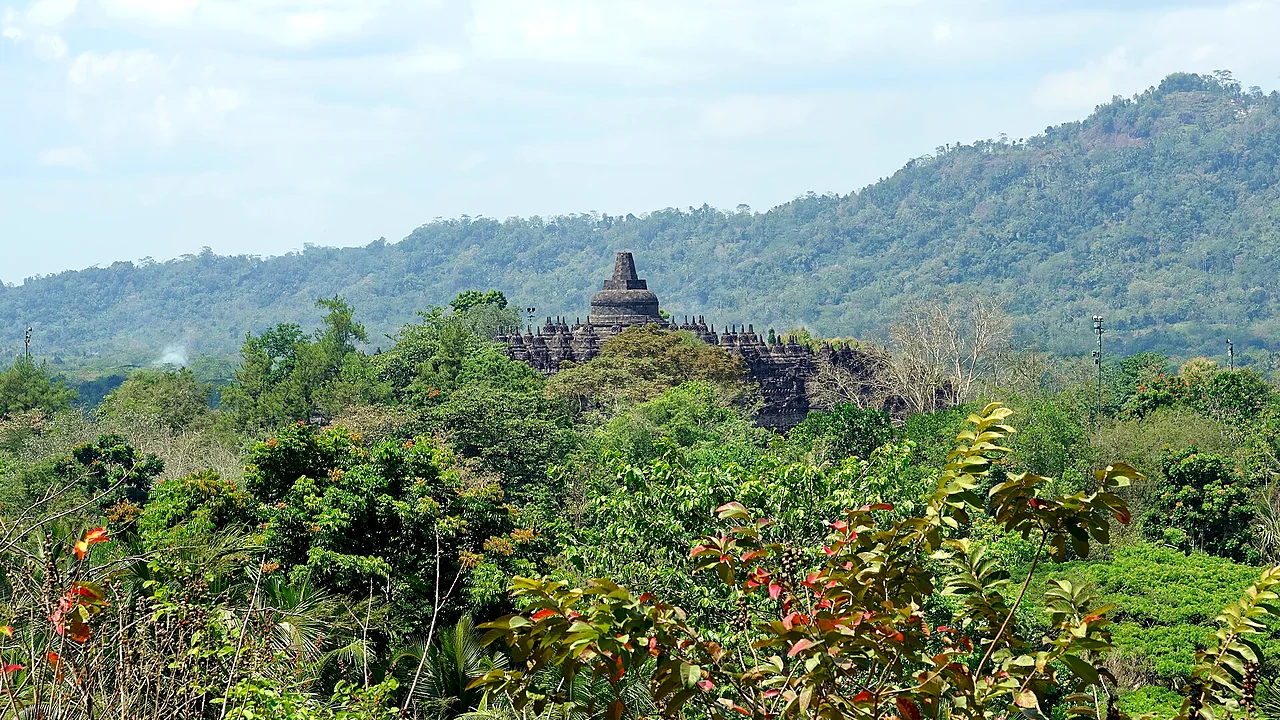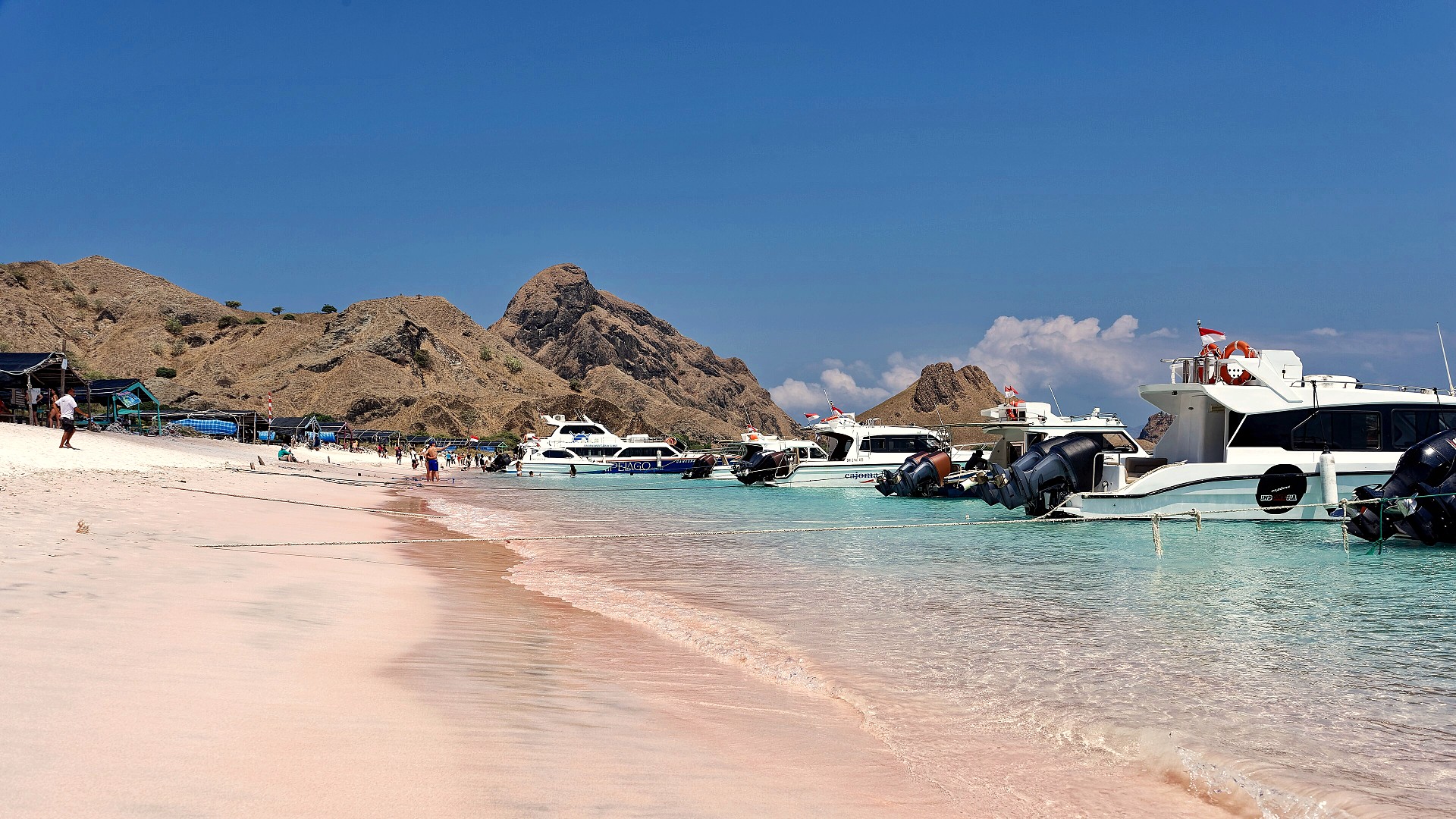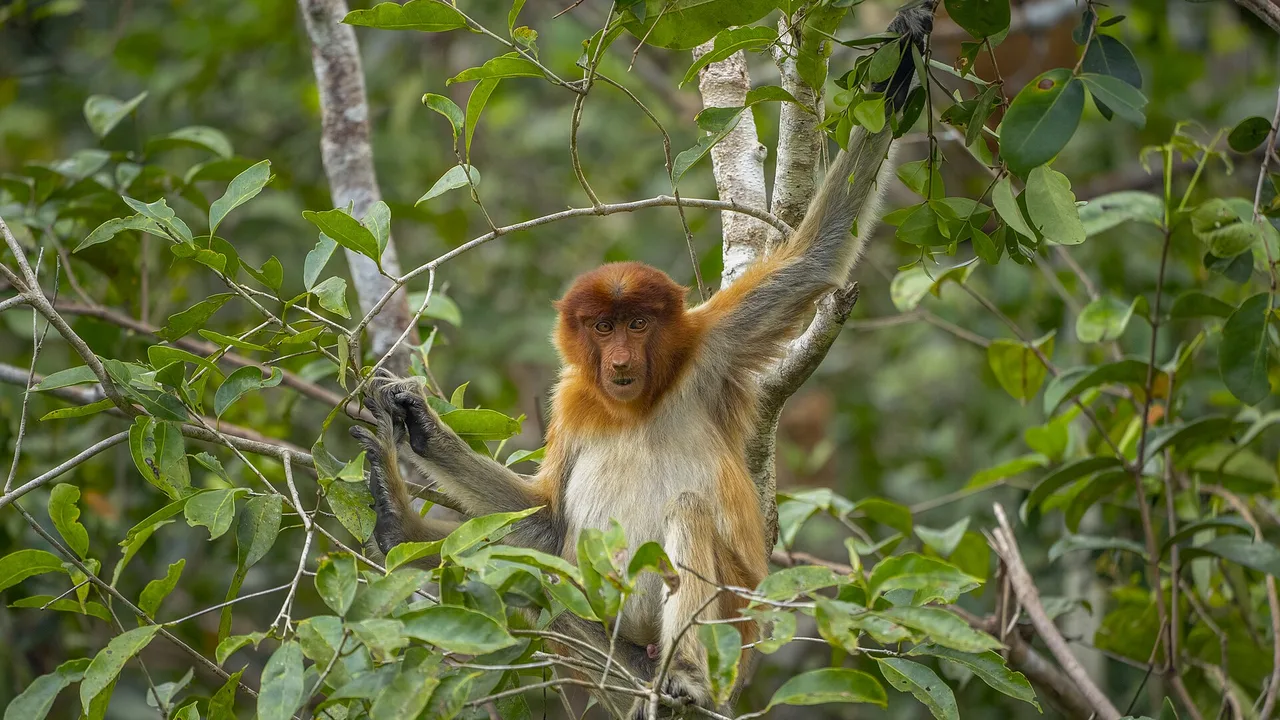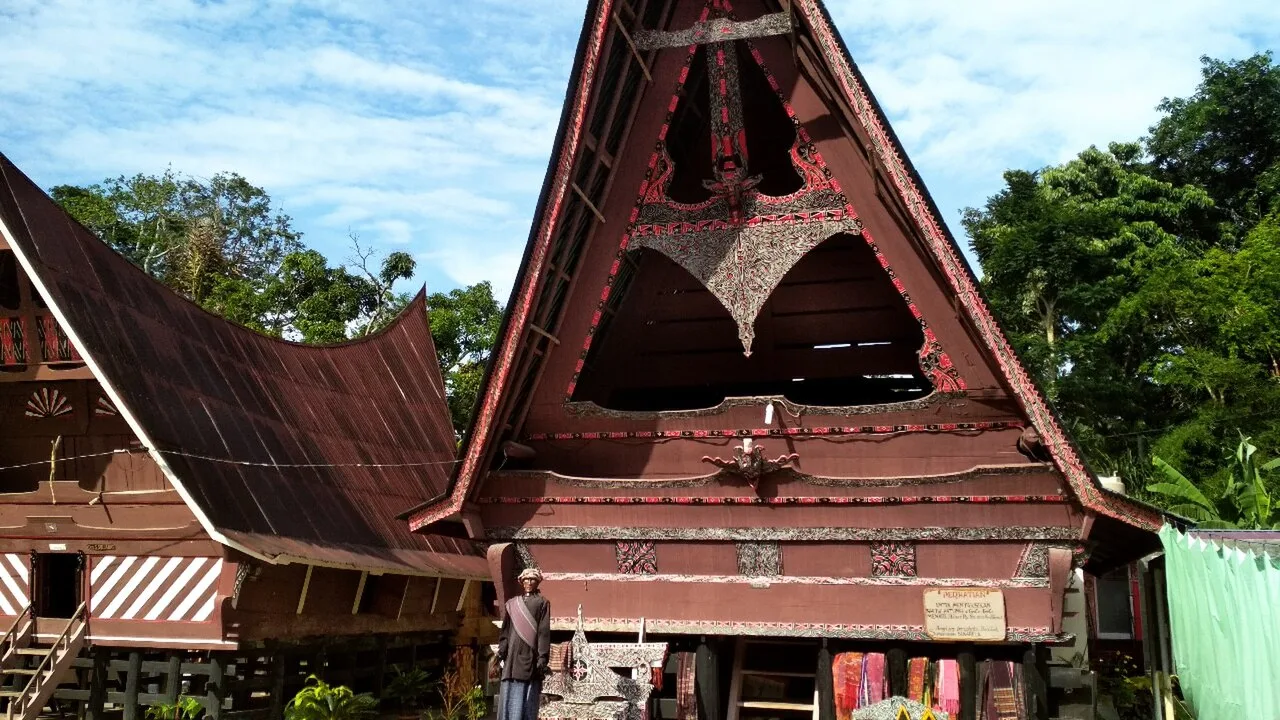
The towers of Prambanan rise out of the plain east of Yogyakarta with a sharpness that still surprises, even if you have already seen photographs. Built in the ninth century as a major Hindu temple complex, it is a UNESCO World Heritage Site and the most important Hindu monument in Indonesia. The central shrine is dedicated to Shiva, flanked by temples for Brahma and Vishnu, and the stone reliefs that wrap the terraces tell the story of the Ramayana. Late afternoon light, when the stone turns warm and the heat eases, is the most rewarding time to be there.
This guide explains how to visit Prambanan Temple, what to see on the site and nearby, how to combine it with Borobudur or Ratu Boko, and what to budget. It pairs naturally with our guides to Borobudur Temple and things to do in Yogyakarta. Local arrangements sit on our Yogyakarta page.
What You Are Looking At
Prambanan, also known as Candi Prambanan or Candi Rara Jonggrang, was built during a period when Hindu and Buddhist kingdoms flourished in central Java. The main yard contains the three tall temples of the Trimurti, with smaller shrines and accompanying temples around them, including those dedicated to their mounts. Much of the complex has been reconstructed after centuries of neglect, earthquakes and restoration work, so you are looking at both original stone and a long, careful recovery of the site.
The reliefs are worth as much time as the silhouettes. Walk slowly around the galleries if the crowds and the heat allow, and look for scenes from the Ramayana rather than treating the visit as a single photograph of the main tower. A guide helps here, because the stories are easier to enjoy when someone can point them out. The Borobudur and Prambanan private guide is designed for exactly that kind of day.
The tall Shiva, Brahma and Vishnu temples, surrounding shrines, and the Ramayana reliefs on the terraces.
Buddhist temple groups a short distance away, quieter than the main compound and easy to add if you have time.
A hilltop palace complex with wide views, often visited at the end of the day as the light goes over the plain.
How to Get There from Yogyakarta
Prambanan is roughly 17 kilometres east of central Yogyakarta, typically 45 minutes to an hour by car depending on traffic. A private car is the most comfortable option, especially if you want to continue to Ratu Boko, Plaosan or back to your hotel without waiting for a return bus. A Yogyakarta temples private driver can also combine the site with other stops. Public buses and organised tours run as well, but they give you less control over timing, which matters if you are aiming for late light or a performance in the evening.
If you are coming from the airport, do not assume you can land at YIA and be at Prambanan for sunset on a tight schedule. The airport is on the other side of the city region. In that case, go to your hotel first or book a transfer that clearly includes enough time. The YIA to city hotel transfer is the safer first step after a flight.
- Book the Prambanan and Ratu Boko sunset tour.
- Combine both great temples on the Borobudur and Prambanan temples tour.
- Stay in town and browse Yogyakarta accommodation before or after the visit.
How Long to Spend and When to Go
The main compound can be seen in 90 minutes if you are quick, but two to three hours is more realistic if you want to walk the reliefs, sit down in the shade, and perhaps add Sewu or another nearby group. Midday is the hardest time: the stone reflects the heat, shade is limited, and tour groups are often at their busiest. Morning is cooler. Late afternoon is the most beautiful and pairs naturally with Ratu Boko for sunset, which is why that combination is so popular.
The dry season, roughly April or May to October, makes walking easier, though the site is open all year. After heavy rain, paths can be wet and some of the wider park areas muddier. Whatever the month, bring a hat, sunscreen and water, and wear shoes you can walk in, not only sandals with no grip. For a wider seasonal view, see the best time to visit Indonesia.
Ratu Boko, Sewu and Plaosan
Ratu Boko sits on a plateau south of Prambanan and is a different kind of site: terraces, gates, ceremonial spaces and a view over the plain rather than a single soaring tower. It is at its best near sunset, when the air is softer and Prambanan itself can sometimes be seen in the distance. It needs its own ticket and a little extra time, so do not treat it as a five-minute add-on.
Candi Sewu, a Buddhist complex close to the main Prambanan park, is often quieter and gives a useful contrast to the Hindu towers. Plaosan, a little further, has a distinctive pair of temples and a calmer atmosphere. If you have a driver for the afternoon, adding one of these is more satisfying than rushing around the main yard twice for photographs.
The Ramayana Ballet
On some evenings, especially in the drier months, a Ramayana ballet is performed near the temple, traditionally in an open-air theatre with the compound as a backdrop, or in an indoor theatre when the season or weather requires it. Schedules change, and performances are not nightly all year, so check current dates rather than assuming there will be a show on your night. If you go, combine it with a late-afternoon temple visit, then dinner, rather than trying to add Borobudur on the same day.
Combining Prambanan with Borobudur
Many travellers visit both temples in one day: Borobudur in the early morning, Prambanan in the afternoon. It is possible, and it is a full day with a lot of stone, heat and driving. If you have two mornings in the region, splitting them is more enjoyable. If you only have one full day, the combined Borobudur and Prambanan temples tour is the cleanest way to do it, with a break for lunch in between. Do not add a Merapi jeep, a beach, and a batik workshop on the same date.
Borobudur lies to the northwest of Yogyakarta, Prambanan to the east, so the city is a natural hinge between them. Staying in Yogyakarta, rather than at the airport or in a distant suburb, keeps the logistics kind. A first evening in the city, then one temple on each of the next two days, is the itinerary most people remember with pleasure. If you are arriving from the capital, our Jakarta to Yogyakarta guide helps you avoid a same-day temple dash after a long journey.
Costs and Tickets
Foreign visitor tickets at Prambanan cost more than local tickets, and prices can change, as can combined tickets or packages that include neighbouring sites. Treat the figures below as planning ranges and confirm the current official rate shortly before you go. A guide and a car are extra.
| Item | Typical cost |
|---|---|
| Prambanan entry for foreign visitors | About USD 20 to 35 per person |
| Ratu Boko entry, if separate | About USD 15 to 30 per person |
| Private car with driver for a half or full day | About USD 40 to 80 |
| Private guide for the temple | About USD 25 to 60 |
| Ramayana performance ticket | Varies widely by seat and season |
| Meal near the site or back in the city | About USD 3 to 12 |
Practical Tips and Common Mistakes
- Go early or late; avoid the strongest midday heat if you can
- Dress modestly and wear shoes suitable for stone steps and grass
- Carry water, a hat and sun protection; shade is limited
- Do not climb on restricted structures or ignore taped-off areas
- If you want sunset at Ratu Boko, leave enough time between the two sites
- Confirm performance dates before you plan an evening around the ballet
- Keep a little cash, even if your main ticket is arranged in advance
The most common mistake is arriving at noon, taking a photograph of the main tower, and leaving after twenty minutes. The second is stacking Borobudur sunrise, Prambanan, Ratu Boko and a show into a single exhausted day. Choose a good window of light, walk the reliefs, and add one nearby site if you still have energy. You can always spend the next morning on a city walk, a batik and silver workshop, or a slower lunch, rather than treating Yogyakarta as a temple checkpoint between trains.
Frequently Asked Questions
How far is Prambanan from Yogyakarta?
About 17 kilometres east of the city centre, usually 45 minutes to an hour by car.
How long do I need at Prambanan Temple?
Plan two to three hours for the main complex, longer if you add Sewu, Plaosan or Ratu Boko.
Can I visit Borobudur and Prambanan on the same day?
Yes, if you start early and accept a full day. Splitting them over two days is more comfortable.
When is the best time of day to visit?
Morning is cooler, and late afternoon has the best light. Midday is the hottest and often the busiest.
Is a guide worth it at Prambanan?
Yes, if you want the reliefs and the history to make sense rather than simply walking around the towers.
Get Your Free Custom Indonesia Tour Quote Today!
Prambanan, Ratu Boko and Borobudur days with local drivers and guides, arranged by our team.
Browse Multi-Day Tours Explore Short Excursions