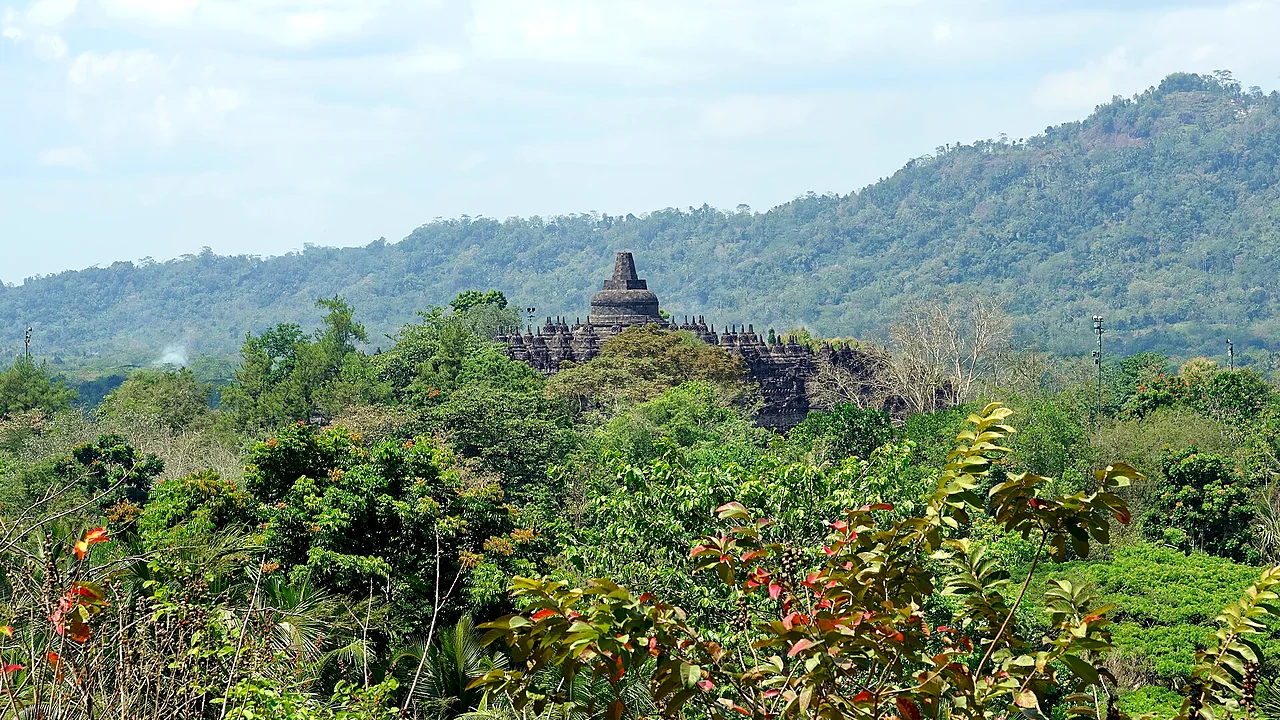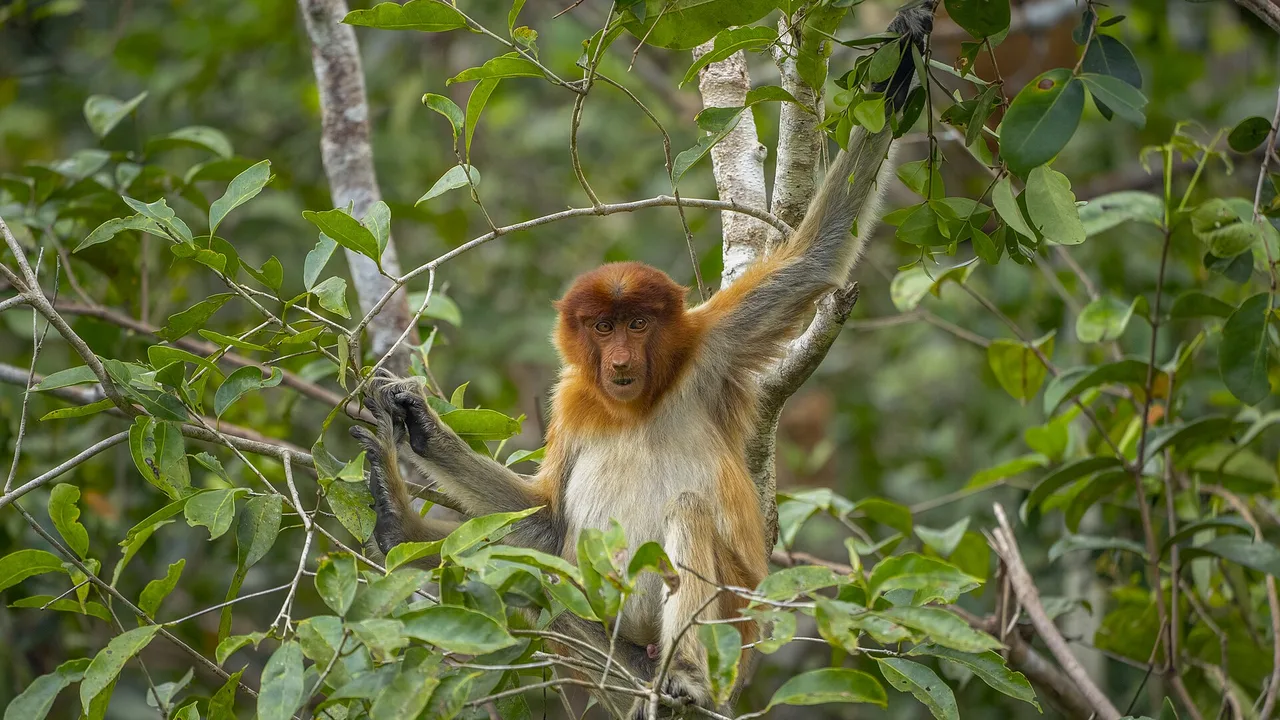
Sunrise over the stupas of Borobudur, the last Javan rhinos hiding in the forests of Ujung Kulon, glaciers on the equator in Papua and Bali’s thousand-year-old water temples: Indonesia’s World Heritage Sites are as varied as its 17,000 islands.
How many UNESCO World Heritage Sites are in Indonesia? As of 2026 the official World Heritage List includes 10 sites: 6 cultural sites, from Borobudur and Prambanan to the Cosmological Axis of Yogyakarta, and 4 natural sites, including Komodo National Park and the Tropical Rainforest Heritage of Sumatra. Many more candidates, such as Raja Ampat and Tana Toraja, are on the country’s Tentative List.
Free Consultation: Tell our local team which Indonesian World Heritage Sites you would like to see and get a free, no-obligation trip plan.
The travel experts from IndonesiaAssist help you with current information, tickets, island connections and booking local guides, private drivers and boat trips, so you can focus on the temples, volcanoes and wildlife.
How we counted: this list follows the official World Heritage List of the UNESCO World Heritage Centre (whc.unesco.org) for Indonesia, checked in November 2026. Sites with several parts, such as the three Sumatran national parks or the five Bali Subak areas, count as one property, exactly as UNESCO lists them. Sites that are only on the Tentative List are covered separately below the table.
Below you’ll find all 10 UNESCO World Heritage Sites of Indonesia, grouped into cultural and natural sites, each with the year of inscription, a short description, practical visit information, the official UNESCO page and a Google Maps link. A summary table and answers to common questions follow at the end.
🗺️ UNESCO World Heritage Sites in Indonesia
Cultural sites (6)
- Borobudur Temple Compounds
- Prambanan Temple Compounds
- Sangiran Early Man Site
- Cultural Landscape of Bali Province: the Subak System
- Ombilin Coal Mining Heritage of Sawahlunto
- The Cosmological Axis of Yogyakarta and its Historic Landmarks
Natural sites (4)
- Komodo National Park
- Ujung Kulon National Park
- Lorentz National Park
- Tropical Rainforest Heritage of Sumatra
Cultural World Heritage Sites
🛕 Borobudur Temple Compounds
The largest Buddhist monument in the world, built in the 8th and 9th centuries: a stepped stone mandala with more than 2,600 relief panels and 72 bell-shaped stupas on its upper terraces. The property also includes the smaller Mendut and Pawon temples nearby.
Access to the upper levels of the monument is limited by a daily quota and guided time slots, so book ahead, especially for sunrise.
Inscribed: 1991
Type: Cultural
Where: Magelang, Central Java, north-west of Yogyakarta
Getting there: About 1 to 1.5 hours by road from Yogyakarta or from Yogyakarta International Airport (YIA)
Best season: The dry season from about April to October; early mornings are cooler and quieter all year
Time needed: Half a day, or a full day with Mendut, Pawon and the surrounding villages
Explore: Borobudur visitor guide
Official page: whc.unesco.org
Map: Show on Google Maps
🏯 Prambanan Temple Compounds
Indonesia’s largest Hindu temple complex, built in the 9th century and dedicated to Shiva, Vishnu and Brahma. Its tall, pointed towers are decorated with reliefs of the Ramayana. The property also covers the Buddhist temples of Sewu, Lumbung and Bubrah next door.
In the dry season the Ramayana Ballet is often performed in the open air with the temples as a backdrop.
Inscribed: 1991
Type: Cultural
Where: On the border of Yogyakarta and Central Java, east of Yogyakarta city
Getting there: About 30 to 45 minutes by road from central Yogyakarta
Best season: April to October; late afternoon light is beautiful on the towers
Time needed: Half a day; many visitors combine it with Borobudur on the same day
Explore: Prambanan temple guide
Official page: whc.unesco.org
Map: Show on Google Maps
🦴 Sangiran Early Man Site
One of the key sites in the world for understanding human evolution. Excavations here have uncovered dozens of early human fossils, including Homo erectus, along with traces of human life over roughly one and a half million years. Today the finds are explained in the Sangiran museum and its smaller cluster sites.
Inscribed: 1996
Type: Cultural
Where: About 15 km north of Surakarta (Solo), Central Java
Getting there: Around 30 to 45 minutes by road from Solo; from Yogyakarta take the train or a car to Solo first
Best season: Year-round, as the museum is indoors; April to October is drier for the drive
Time needed: 2 to 3 hours on site
Official page: whc.unesco.org
Map: Show on Google Maps
🌾 Cultural Landscape of Bali Province: the Subak System
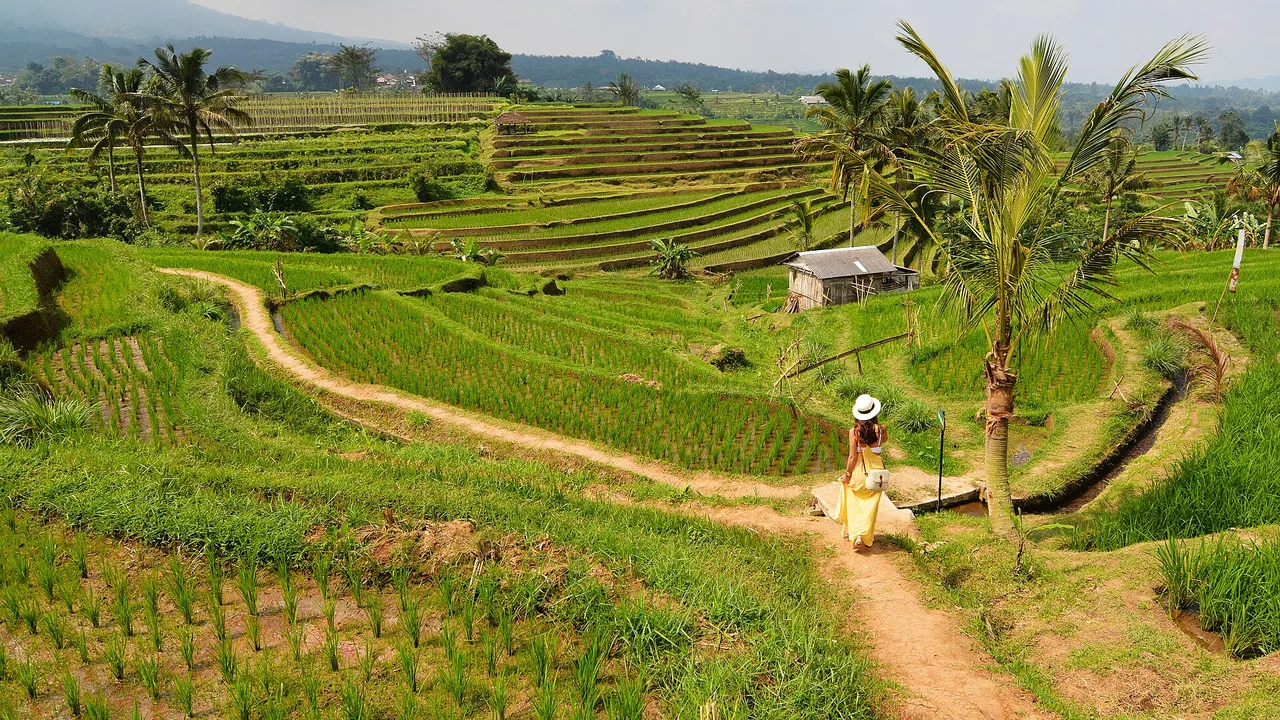
Bali’s rice terraces are watered by the subak, a cooperative irrigation system run through water temples since the 9th century and based on the Tri Hita Karana philosophy of harmony between people, nature and the gods. The property has five parts: the Supreme Water Temple of Pura Ulun Danu Batur, Lake Batur, the Subak landscape of the Pakerisan watershed (with Tirta Empul and Gunung Kawi), the Subak landscape of Catur Angga Batukaru with the Jatiluwih terraces, and the royal water temple of Pura Taman Ayun.
The Jatiluwih terraces are the most visited part and are best explored on foot along the marked trails.
Inscribed: 2012
Type: Cultural
Where: Central and northern Bali, from Mengwi and Jatiluwih to Tampaksiring and Lake Batur
Getting there: Taman Ayun is about 40 minutes from Ubud or the south coast; Jatiluwih about 1.5 hours from Ubud; Tirta Empul about 30 minutes north of Ubud
Best season: April to October is drier; the terraces look different with every stage of the rice cycle
Time needed: 1 to 2 days to see several components with a private driver
Explore: Jatiluwih rice terraces guide
Official page: whc.unesco.org
Map: Show on Google Maps
⛏️ Ombilin Coal Mining Heritage of Sawahlunto
A mining town built in the late 19th and early 20th century in the highlands of West Sumatra, together with the railway that carried coal down to the port of Emmahaven (today Teluk Bayur) near Padang. Old mine tunnels, the miners’ town and the railway heritage tell the story of industrial-era Sumatra.
Inscribed: 2019
Type: Cultural
Where: Sawahlunto, West Sumatra
Getting there: Around 2.5 to 3 hours by road from Padang or from Bukittinggi
Best season: Rain is possible all year in West Sumatra; June to August are usually the drier months
Time needed: A full day, or an overnight stop on a West Sumatra route
Official page: whc.unesco.org
Map: Show on Google Maps
🏛️ The Cosmological Axis of Yogyakarta and its Historic Landmarks
A six-kilometre north-south axis through the heart of Yogyakarta, laid out in the 18th century by Sultan Hamengkubuwono I. It links the Tugu monument in the north, the Kraton (Sultan’s Palace) in the centre and the Panggung Krapyak stage in the south, symbolising the Javanese cycle of life between Mount Merapi and the Indian Ocean.
Inscribed: 2023
Type: Cultural
Where: Central Yogyakarta
Getting there: In the city centre; easy to explore on foot, by becak or with a driver
Best season: Year-round; mornings are best, as the Kraton closes in the early afternoon
Time needed: Half a day
Official page: whc.unesco.org
Map: Show on Google Maps
Natural World Heritage Sites
🦎 Komodo National Park
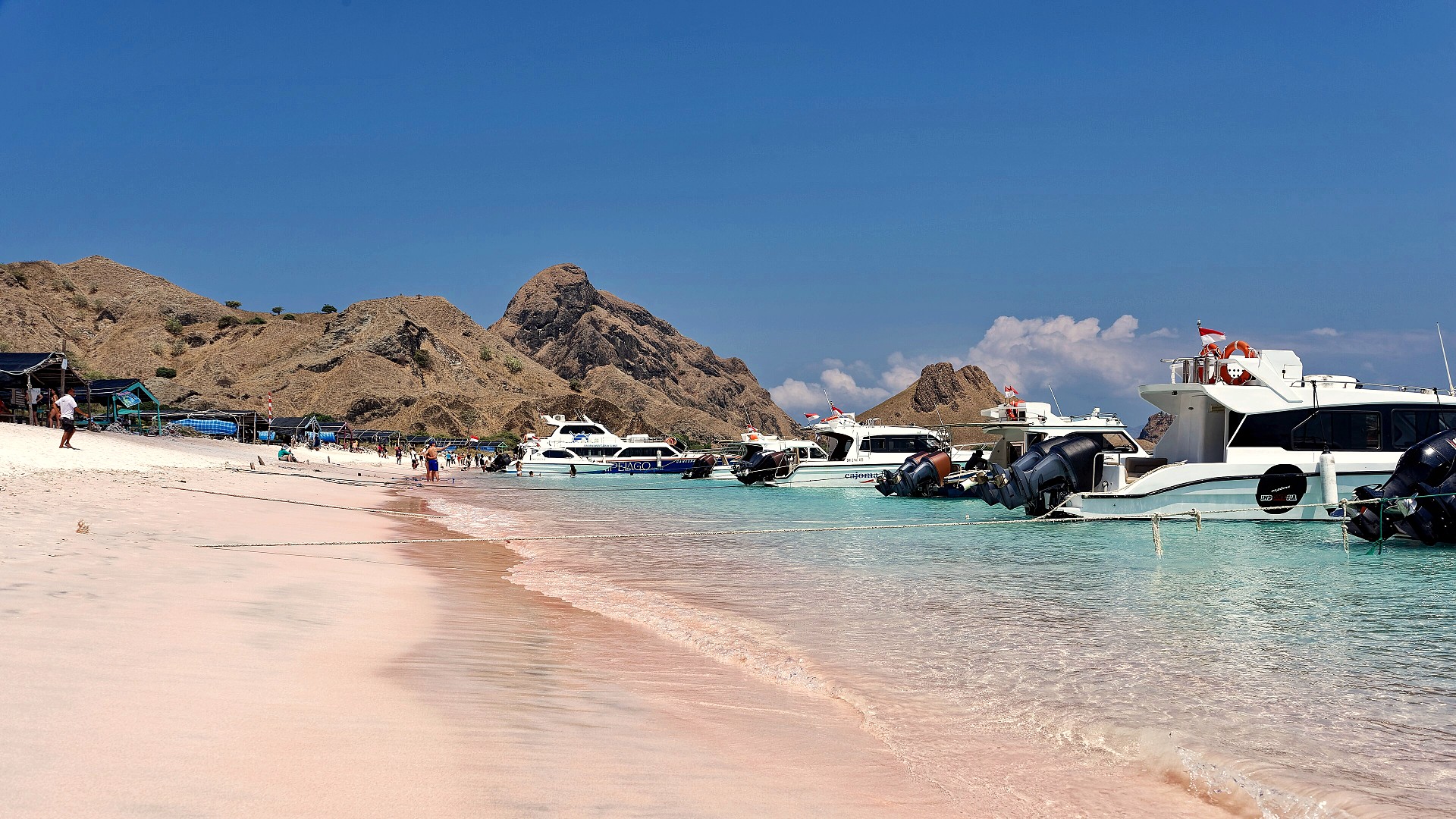
The only place on Earth where Komodo dragons live in the wild, on Komodo, Rinca and smaller islands, surrounded by some of the richest reefs in Indonesia with manta rays and strong-current dive sites. Padar Island’s viewpoint and the pink sand beaches are classic stops on a boat trip.
Inscribed: 1991
Type: Natural
Where: Between Sumbawa and Flores, with Labuan Bajo as the gateway
Getting there: Fly to Labuan Bajo (Komodo Airport), then by boat into the park on a day trip or overnight cruise
Best season: Roughly April to December, the drier months; seas can be rougher from about January to March
Time needed: 1 to 3 days by boat
Explore: Komodo National Park guide
Official page: whc.unesco.org
Map: Show on Google Maps
🦏 Ujung Kulon National Park
The largest remaining lowland rainforest on Java and the last refuge of the critically endangered Javan rhinoceros. The property also includes the Krakatau Islands Nature Reserve, famous for the 1883 eruption and the volcano Anak Krakatau.
The rhinos are almost never seen; visitors come for jungle walks, canoeing, beaches and wildlife such as banteng and deer.
Inscribed: 1991
Type: Natural
Where: The south-western tip of Java, Banten province
Getting there: Around 5 to 6 hours by road from Jakarta to the park villages, then by boat to Peucang Island or the ranger posts
Best season: April to October, the dry season, when seas are calmer
Time needed: 3 to 4 days
Official page: whc.unesco.org
Map: Show on Google Maps
🏔️ Lorentz National Park
The largest protected area in South-East Asia and one of the few places in the world that stretches unbroken from snow-capped mountains to tropical marine wetlands. It includes the glaciers near Puncak Jaya, Indonesia’s highest peak, and is home to Papuan communities who have lived here for thousands of years.
Inscribed: 1999
Type: Natural
Where: Central Papua and Highland Papua
Getting there: Very remote: only reached on expeditions via regional airports such as Timika or Wamena, with permits and specialist local operators. Parts of the region are subject to government travel advisories, so check the current situation first
Best season: Weather is unpredictable year-round; expeditions are planned case by case
Time needed: An expedition of one to two weeks or more
Official page: whc.unesco.org
Map: Show on Google Maps
🦧 Tropical Rainforest Heritage of Sumatra
Three national parks along the Bukit Barisan mountains, Gunung Leuser, Kerinci Seblat and Bukit Barisan Selatan, protect some of the last habitat of the Sumatran orangutan, tiger, rhino and elephant. Deforestation and road building put the site on the List of World Heritage in Danger in 2011, where it remains.
Gunung Leuser, reached via Bukit Lawang or Ketambe, is the easiest place to see orangutans in the wild with a licensed guide.
Inscribed: 2004
Type: Natural
Where: Along the Bukit Barisan range of Sumatra, from Aceh to Lampung
Getting there: Bukit Lawang (Gunung Leuser) is about 3 to 4 hours by road from Medan; Kerinci Seblat is reached via Padang or Jambi; Bukit Barisan Selatan via Bandar Lampung
Best season: The drier months from about June to September are best for trekking
Time needed: 2 to 4 days per park
Explore: Bukit Lawang orangutan trekking guide
Official page: whc.unesco.org
Map: Show on Google Maps
Indonesia UNESCO World Heritage Sites at a Glance
| # | World Heritage Site | Inscribed | Type | Region |
|---|---|---|---|---|
| 1 | Borobudur Temple Compounds | 1991 | Cultural | Central Java |
| 2 | Prambanan Temple Compounds | 1991 | Cultural | Yogyakarta / Central Java |
| 3 | Sangiran Early Man Site | 1996 | Cultural | Central Java |
| 4 | Cultural Landscape of Bali Province: the Subak System | 2012 | Cultural | Bali |
| 5 | Ombilin Coal Mining Heritage of Sawahlunto | 2019 | Cultural | West Sumatra |
| 6 | The Cosmological Axis of Yogyakarta and its Historic Landmarks | 2023 | Cultural | Yogyakarta |
| 7 | Komodo National Park | 1991 | Natural | East Nusa Tenggara |
| 8 | Ujung Kulon National Park | 1991 | Natural | Banten (West Java) |
| 9 | Lorentz National Park | 1999 | Natural | Papua |
| 10 | Tropical Rainforest Heritage of Sumatra | 2004 | Natural | North Sumatra, Aceh, Jambi, West Sumatra, Bengkulu, Lampung |
Indonesian Sites on the UNESCO Tentative List
The Tentative List is each country’s official shortlist of places it may nominate in the future. Several Indonesian entries are already highlights of any trip:
- Raja Ampat Islands (listed 2005): the world’s richest marine biodiversity, off West Papua.
- Wakatobi National Park (2005): remote reefs and Bajau sea villages in Southeast Sulawesi.
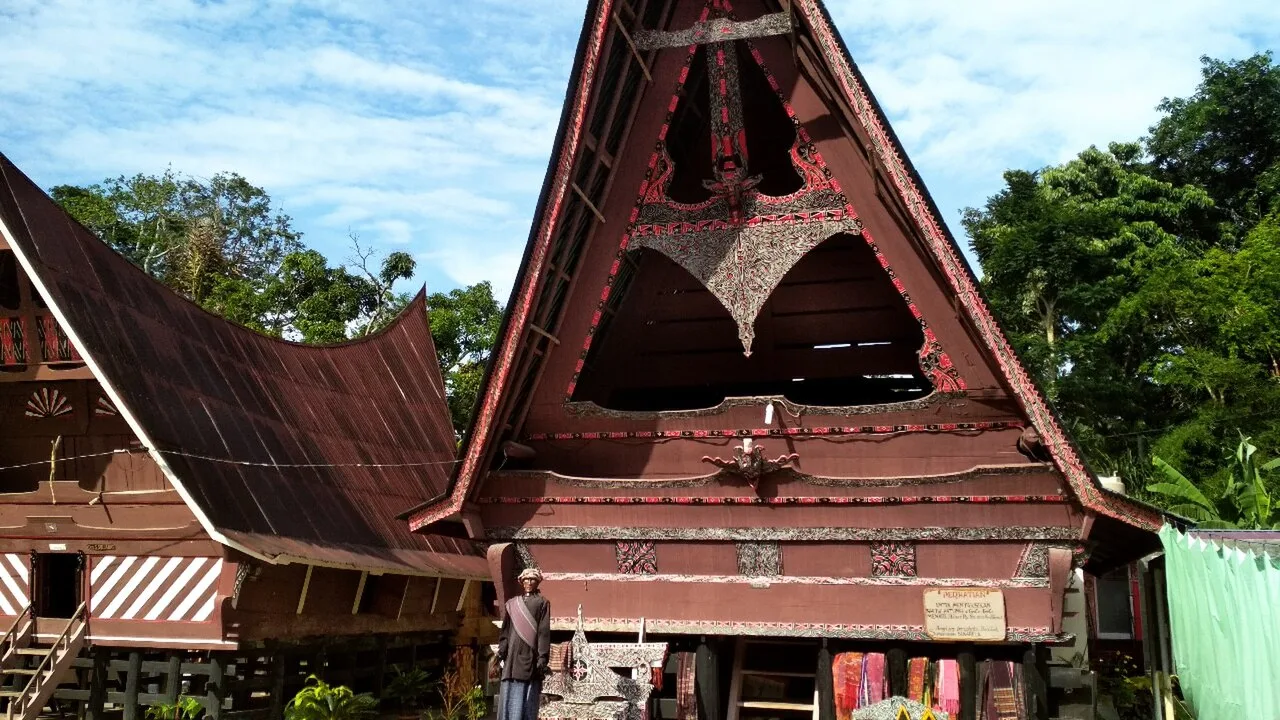
- Tana Toraja Traditional Settlement (2009): tongkonan houses and cliff graves in South Sulawesi.
- The Historic and Marine Landscape of the Banda Islands (2015): the original nutmeg islands.
- Semarang Old Town (2015) and Muara Takus Compound Site (2009).
- Sangkulirang-Mangkalihat Karst (2015): prehistoric rock art in East Kalimantan.
- Megalithic Cultural Heritage of Lore Lindu Area (2025) in Central Sulawesi.
The full Tentative List, including Betung Kerihun and the Spice Trade Route nomination, is on the official UNESCO page for Indonesia.
Frequently Asked Questions
How many UNESCO World Heritage Sites does Indonesia have?
As of 2026 Indonesia has 10 UNESCO World Heritage Sites: 6 cultural (Borobudur, Prambanan, Sangiran, the Bali Subak landscape, Ombilin Coal Mining Heritage and the Cosmological Axis of Yogyakarta) and 4 natural (Komodo, Ujung Kulon, Lorentz and the Tropical Rainforest Heritage of Sumatra).
What were the first UNESCO sites in Indonesia?
Borobudur, Prambanan, Komodo National Park and Ujung Kulon National Park were all inscribed in 1991.
What is the newest UNESCO World Heritage Site in Indonesia?
The Cosmological Axis of Yogyakarta and its Historic Landmarks, inscribed in 2023.
Which Indonesian site is on the List of World Heritage in Danger?
The Tropical Rainforest Heritage of Sumatra has been on the Danger List since 2011 because of deforestation, encroachment and road plans.
Can I see several UNESCO sites in one trip?
Yes. Yogyakarta is the easiest base: Borobudur, Prambanan and the Cosmological Axis are all within about an hour, and Sangiran is a day trip via Solo. Bali’s Subak sites and Komodo combine well on a Bali and Flores route.
When is the best time to visit the Indonesian World Heritage Sites?
For Java, Bali and Komodo the dry season from about April to October is best. Sumatra’s rainforests are easiest to trek from about June to September.
Plan Your Indonesia Heritage Trip with IndonesiaAssist
Temple tickets, drivers, boats and local guides arranged by our team on the ground, with fair local prices and help every step of the way.
Plan My Trip Browse Multi-Day Tours Explore Short Excursions