Yogyakarta, known to locals simply as Jogja, is the place to experience the soul of Java. It is a city where a sultan still lives in his palace, where students crowd street-food stalls late into the night, and where batik painters, silversmiths and shadow-puppet makers keep centuries-old crafts alive. Within an hour or two of the centre lie two UNESCO World Heritage temples, an active volcano, limestone caves and wild beaches on the Indian Ocean.
This guide covers the best things to do in Yogyakarta, from the famous temples to the city’s palaces, markets and nature, with practical advice on how much time to allow and how to get around.
The Great Temples
Borobudur
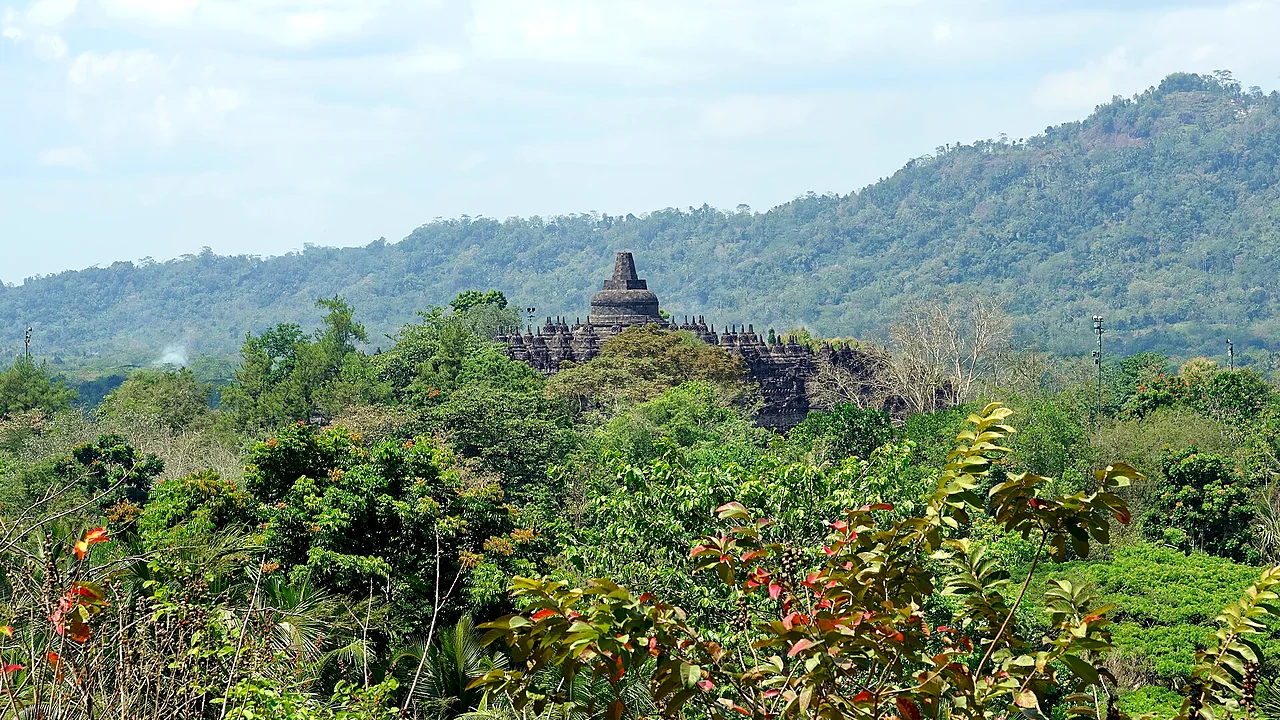
The world’s largest Buddhist monument, built in the 8th and 9th centuries, lies about an hour north-west of the city. Climbing is guided and requires special upanat sandals, included with the climbing ticket. Our detailed guide to Borobudur temple explains tickets, the sunrise programme and the rules.
Prambanan
East of the city, Prambanan is the largest Hindu temple complex in Indonesia, built in the 9th century and dedicated to Shiva, Vishnu and Brahma. Its tall, slender towers are covered with reliefs from the Ramayana epic. The complex also includes the Buddhist temples of Sewu, Lumbung and Bubrah. On many evenings in the dry season, the Ramayana Ballet is performed on an open-air stage with the illuminated temples as a backdrop.
A vast stepped mandala with thousands of relief panels and a crown of stupas, best at sunrise or early morning.
Soaring towers dedicated to the Hindu trinity, beautiful in the late afternoon light and at the evening ballet.
The ruins of an ancient palace complex on a hill near Prambanan, with sunset views over the plain and volcanoes.
- Visit both temples in one day on the Borobudur and Prambanan Temples Tour.
- End the day on a hill with the Prambanan Ratu Boko Sunset Tour.
- Set your own pace with a Yogyakarta temples private driver.
The Royal City
The Kraton
The Kraton, the palace of the Sultan of Yogyakarta, is the heart of the old city. Built in the 18th century, it is still the sultan’s residence and a centre of Javanese culture. Parts of the complex are open to visitors in the morning, with pavilions, heirlooms, gamelan instruments and, on some days, traditional music, dance or wayang performances. Yogyakarta has a special status in Indonesia as a sultanate, and the sultan also serves as governor of the region.
Taman Sari
A short walk from the Kraton, Taman Sari, the “fragrant garden”, was a royal pleasure garden and bathing complex built in the 18th century. Its turquoise pools, ornate gates and underground mosque with a circular staircase are among the most photographed places in the city. The surrounding kampung, a maze of narrow lanes, is home to batik artists and small cafés.
Malioboro Street
Jogja’s main shopping street runs north from the Kraton towards the train station. It is lively day and night, with batik shops, street vendors, horse-drawn andong and becak cycle rickshaws. In the evening, lesehan street-food stalls lay mats on the pavement where you sit on the ground to eat. Beringharjo market, near the southern end, is the place for batik fabrics, spices and snacks. Our Kraton, Taman Sari and Malioboro Heritage Tour links all three.
Crafts and Workshops
Yogyakarta is famous for batik, the art of wax-resist dyeing recognised by UNESCO as part of Indonesia’s intangible cultural heritage. Workshops let you draw your own design with a canting, a small copper tool for hot wax, and dye it. The district of Kotagede, once the capital of the Mataram kingdom, is known for its silversmiths. Our Batik and Silver Craft Workshop in Yogyakarta combines both crafts.
Wayang kulit, shadow puppetry with leather puppets, is another Javanese tradition you can see in performance or in workshops where artisans carve and paint the puppets.
Merapi and Nature
Mount Merapi, north of the city, is one of Indonesia’s most active volcanoes. Its 2010 eruption devastated villages on its slopes, and today jeep tours take visitors through the lava fields, to a small museum in a destroyed house and to viewpoints of the summit when the clouds allow. The Merapi Jeep Lava Tour is a fun half-day trip, ideally in the early morning for clear views. Climbing to the summit of Merapi is not permitted when the volcano is at an elevated alert level, which has been the case for long periods.
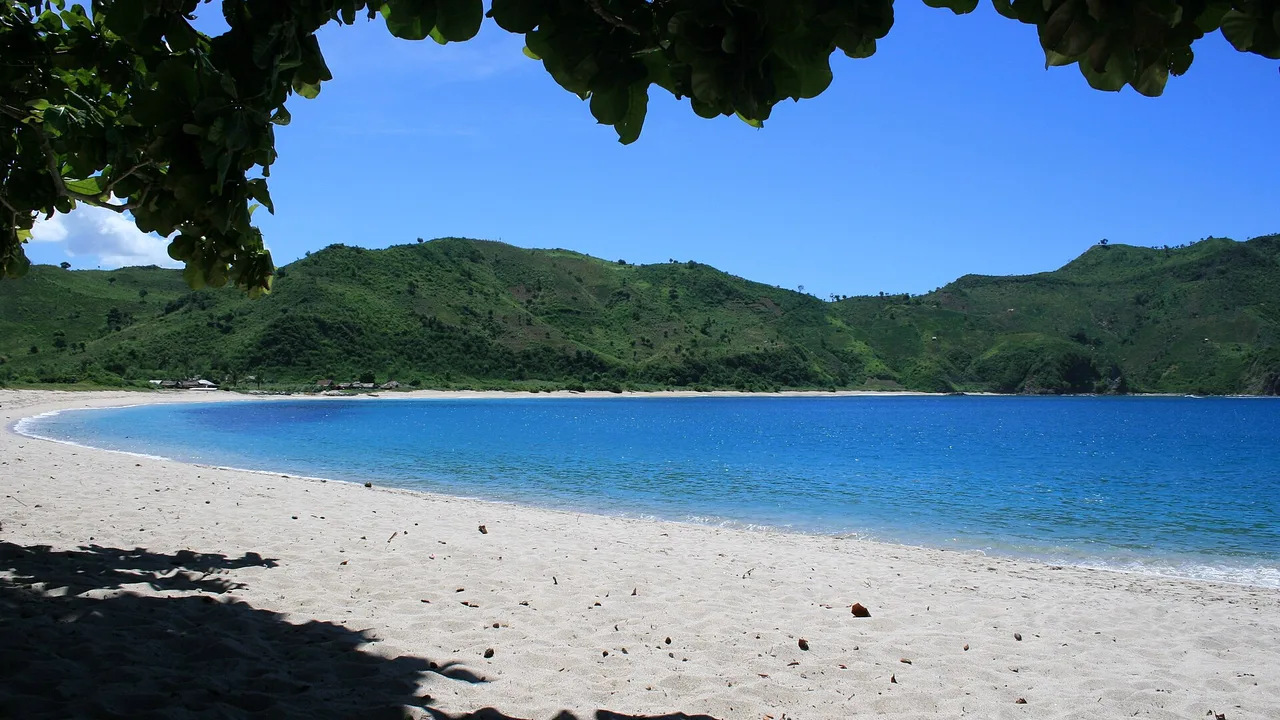
South-east of the city, the Gunung Kidul region has limestone hills, caves and beaches. Cave tubing in Goa Pindul, the vertical cave of Jomblang with its “light from heaven” at midday, and beaches such as Indrayanti and Timang are popular. The Gunung Kidul Beaches and Pindul Cave Tour covers the highlights. The south coast has strong waves and rip currents, so swimming is often unsafe.
Food in Jogja
Yogyakarta’s cuisine is sweet and rich. Try gudeg, young jackfruit stewed for hours in coconut milk and palm sugar, served with chicken, egg and krecek. Bakpia, small pastries filled with mung bean paste, are the classic souvenir. Late at night, angkringan carts serve nasi kucing, tiny parcels of rice with sambal, alongside satay and sweet coffee, sometimes served with a piece of glowing charcoal dropped in, known as kopi joss.
Costs in Yogyakarta
| Activity | Typical price |
|---|---|
| Borobudur climbing ticket, foreign adult | USD 26–30 |
| Merapi jeep tour, per jeep | USD 25–50 |
| Batik workshop, half day | USD 15–40 per person |
| Full-day private driver | USD 45–70 per car |
| Street-food dinner | USD 2–6 per person |
Getting There and Around
Yogyakarta International Airport, in Kulon Progo, is about an hour from the city centre by car or airport train. The city is also well connected by train to Jakarta, Solo, Surabaya and Malang. Comfortable executive trains from Jakarta take around six to eight hours, depending on the service, and arrive at Tugu station right next to Malioboro Street. Flights from Jakarta and Bali take about an hour and a quarter, and there are also direct flights from Singapore and Kuala Lumpur on some days. Within the city, ride-hailing apps work well, while a private driver is ideal for temples and day trips. Our YIA Airport to Yogyakarta Hotel Transfer gets you into town comfortably.
Day Trips Beyond the City
If you have extra days, Yogyakarta is a superb base for exploring more of Central Java. Solo, also called Surakarta, is about an hour away by train or car and has two royal palaces of its own, a famous batik market and a relaxed, less touristy atmosphere. Our Yogyakarta to Solo private driver makes it an easy day out, with a stop at the hillside temples of Candi Sukuh or Cetho on the slopes of Mount Lawu.
The Dieng Plateau, at around 2,000 metres, is a cool, misty highland of volcanic craters, coloured lakes and some of the oldest Hindu temples in Java. It is a long day trip, so many travellers stay overnight to catch the sunrise from Sikunir hill. The Yogyakarta to Dieng Plateau private driver covers the route with flexible stops.
Tips for Visiting Jogja
- Avoid Mondays for the Kraton and museums: opening days vary, so check before you go.
- Agree the fare first: for becak and andong rides, settle the price before setting off.
- Dress modestly: Yogyakarta is a traditional, predominantly Muslim city, so cover shoulders and knees at palaces and mosques.
- Watch for “batik exhibitions”: friendly strangers may steer you to galleries with inflated prices. Shop where you choose.
How Long to Stay
- Day 1: Kraton, Taman Sari, Malioboro and street food
- Day 2: Borobudur at sunrise, Mendut and village cycling
- Day 3: Merapi jeep tour in the morning, Prambanan and Ratu Boko in the afternoon
- Day 4: Gunung Kidul caves and beaches, or a batik workshop and Kotagede
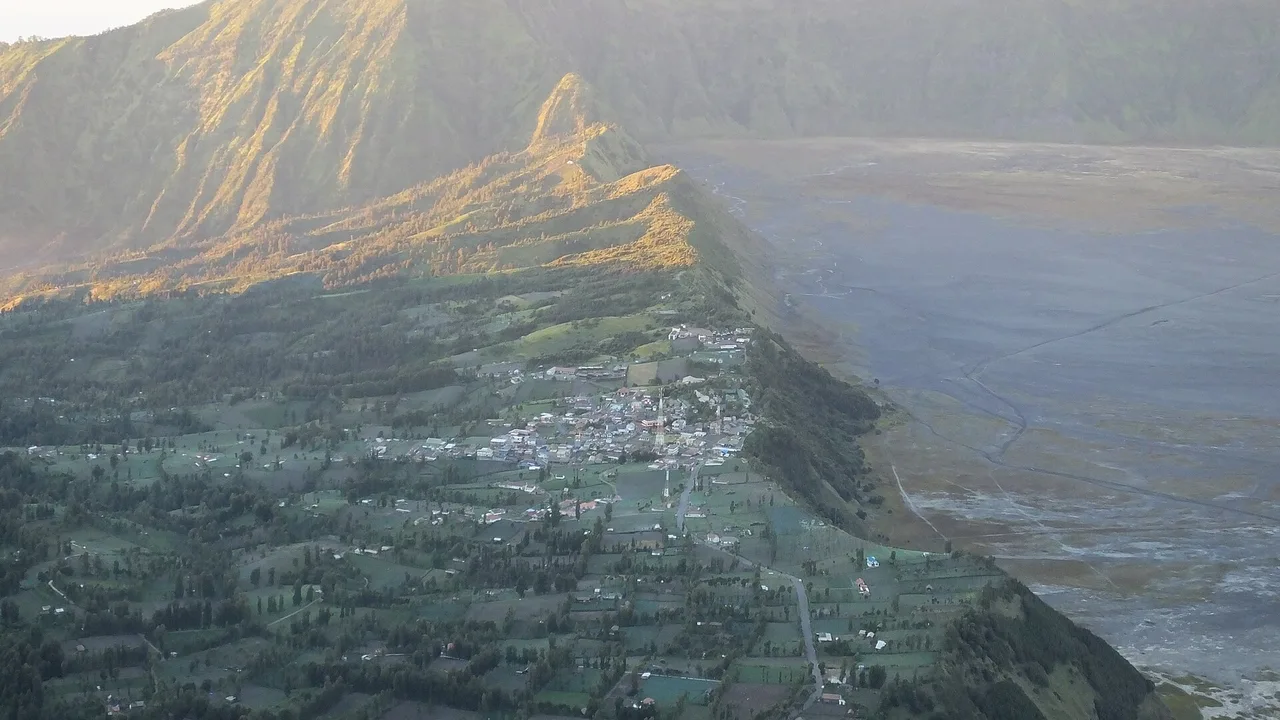
Many travellers continue from Yogyakarta to Mount Bromo and Ijen in East Java, then cross to Bali. Our Java Volcanoes & Temples Tour follows this route with private transport.
Frequently Asked Questions
How many days do I need in Yogyakarta?
Three to four days is ideal to see Borobudur, Prambanan, the old city and Merapi without rushing.
Can I visit Borobudur and Prambanan in one day?
Yes. They are about 1.5 hours apart. Start at Borobudur in the morning and visit Prambanan in the afternoon.
Is Yogyakarta safe for tourists?
Yes, it is generally safe and friendly. Take normal precautions with belongings in crowded areas such as Malioboro.
What is Yogyakarta famous for?
Its royal palace, the temples of Borobudur and Prambanan, batik, silverwork, gudeg and its vibrant arts and student scene.
Can I climb Mount Merapi?
Summit climbs are prohibited when the volcano is at an elevated alert level, which is frequent. Jeep tours on the lower slopes are the usual alternative.
Get Your Free Custom Indonesia Tour Quote Today!
Temples, crafts and volcano trips around Jogja, arranged by our local team with private drivers and guides at fair prices.
Browse Multi-Day Tours Explore Short Excursions