Indonesia is a rewarding place to travel, and most visitors come home with nothing worse than a mild stomach upset or a tighter sunburn than they expected. The country is also large, hot and uneven in its medical services. A well-run clinic in southern Bali or central Jakarta is a very different setting from a remote island with a delayed evacuation. A little planning before you fly, and a calm routine once you arrive, does more for your trip than a suitcase full of unused medicines.
This guide is practical information, not medical advice. Vaccine recommendations change, and your own health history matters. See a travel clinic or your doctor well before departure, and check official sources such as your national travel-health service for the latest guidance. Use the notes below to know which questions to ask and what to arrange on the ground, whether you are starting in Bali, Jakarta or further afield.
Before You Go
Book a travel-health appointment several weeks before you leave, longer if you need a course of injections. Discuss routine vaccinations, hepatitis A and typhoid, which are commonly considered for Indonesia, and whether rabies or Japanese encephalitis make sense for your route. Those last two are more relevant if you will spend time in rural areas, work with animals, or travel slowly through the countryside. Yellow fever is not a general requirement for Indonesia, but proof may be asked if you arrive from a country with risk of transmission. Do not copy a blog list and assume it is complete; take a written itinerary to the appointment, including any jungle, diving or long overland stretches.
Malaria risk is low in Bali and in the main cities of Java, and many short Bali-only trips do not involve prophylaxis. It is more of a conversation if you are going to parts of eastern Indonesia, some rural areas of Kalimantan or Sumatra, or West Papua. The picture is local and it changes. Ask a professional, and take mosquito precautions anyway, because dengue is a risk in many parts of the country, including Bali, and it is spread by daytime-biting mosquitoes. Our notes on the Bali rainy season are relevant here: standing water and wet months can increase mosquito activity, but dengue is not only a rainy-season problem.
Buy travel insurance that includes medical treatment and emergency evacuation, and read the wording for diving, trekking and motorbikes. If you plan to ride a scooter, check whether a claim would be refused without a valid licence; that question belongs with the wider choice in our Is Bali Safe guide. Take a photo of your policy and the 24-hour assistance number, and keep a paper copy of important prescriptions.
Water, Food and Heat
Visitors do not generally drink tap water in Indonesia. Use sealed bottled water, or water that has been properly boiled or filtered, including for cleaning teeth if you want to be cautious. Ice in established restaurants and hotels is usually made from treated water, but you can skip it in very basic warungs if you prefer. Wash or peel fruit, be sensible with buffets that have sat in the heat, and ease into spicy food rather than treating the first night as a contest. A short upset stomach is common; persistent fever, blood, or dehydration is a reason to see a clinic, not to wait it out in a hotel room.
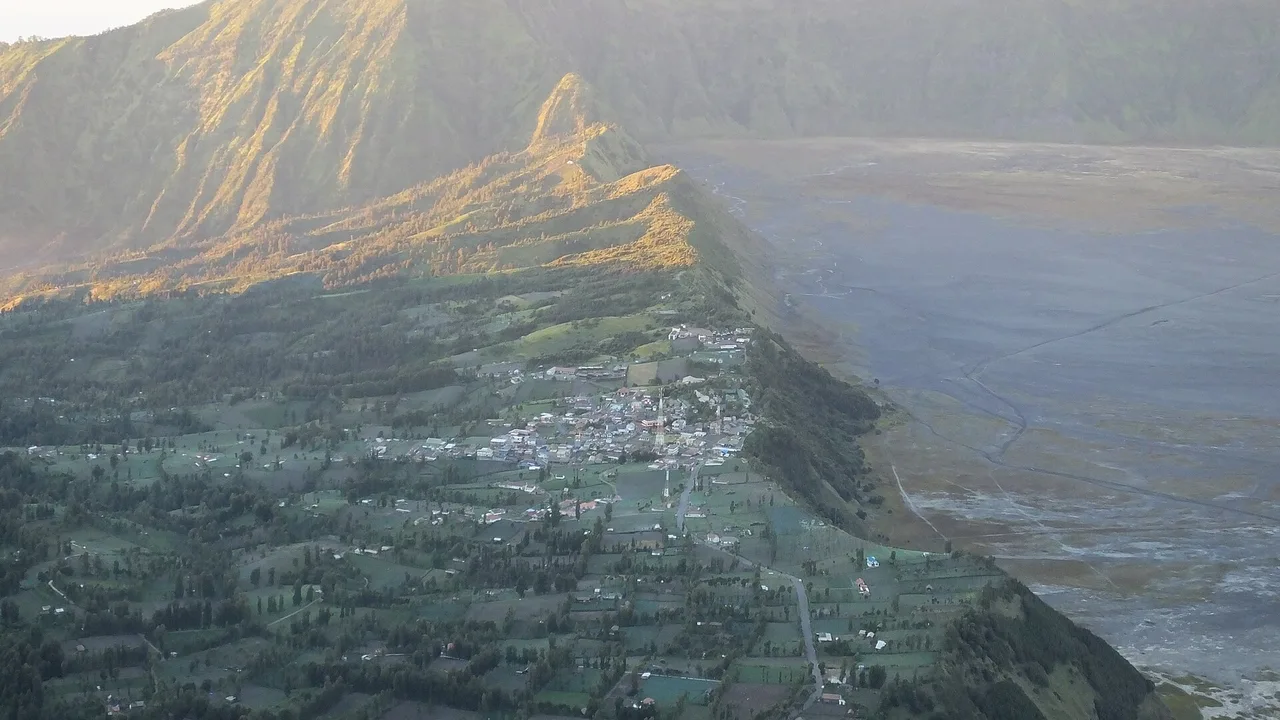
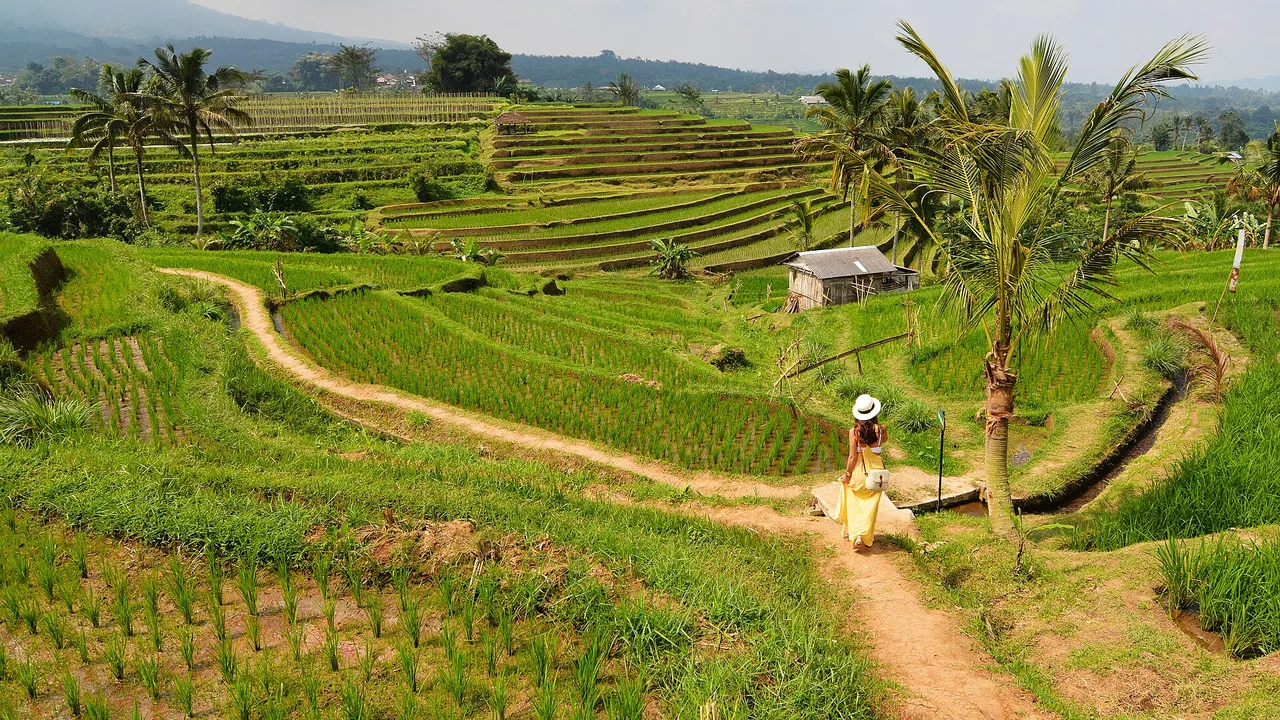
The heat does as much damage as the food. Drink more water than you think you need, especially on a Mount Batur sunrise trek, a long temple day, or a walk around Ubud at midday. A hat, light clothing and strong sunscreen matter more than most packing debates. The Indonesia packing list is a good place to start. Rest in the middle of the day if you are not used to the humidity, and be careful with alcohol in the afternoon sun. Heat exhaustion can creep up during a “simple” outing to the rice terraces or the market.
South Bali, Jakarta and Yogyakarta have private hospitals that are used to helping international visitors.
On smaller islands, a clinic may be basic. Serious cases often mean a transfer to the mainland or a nearby city.
The policy is not only for a clinic bill. It is for a flight or boat transfer if something happens far from a hospital.
Pharmacies, Clinics and Hospitals
Pharmacies, or apotek, are widespread in towns and tourist areas. Many everyday medicines are available, and pharmacists are used to common traveller complaints, but packaging and strength can differ from what you buy at home. Bring a small kit: oral rehydration salts, a simple anti-diarrhoeal, a pain reliever you already tolerate, plasters, antiseptic, insect repellent with DEET or picaridin, and any personal prescriptions in original packaging. If you need a top-up in Bali, grocery and pharmacy delivery in Bali can save a hot trip across town. Similar help exists in Jakarta and Yogyakarta.
For anything more than a minor issue, use a reputable clinic or hospital rather than relying on a hotel first-aid box. In southern Bali, private hospitals such as BIMC and Siloam are the names most visitors hear; they have English-speaking staff and are used to insurance paperwork. Jakarta has a wider choice of international-standard private hospitals. Yogyakarta, Surabaya, Medan and Makassar also have private hospitals that can handle many problems. In smaller towns the first step may be a local clinic, with a transfer if needed. Our service is always paid online via Stripe: by card, including Google Pay and Apple Pay, plus other local payment methods offered at checkout.
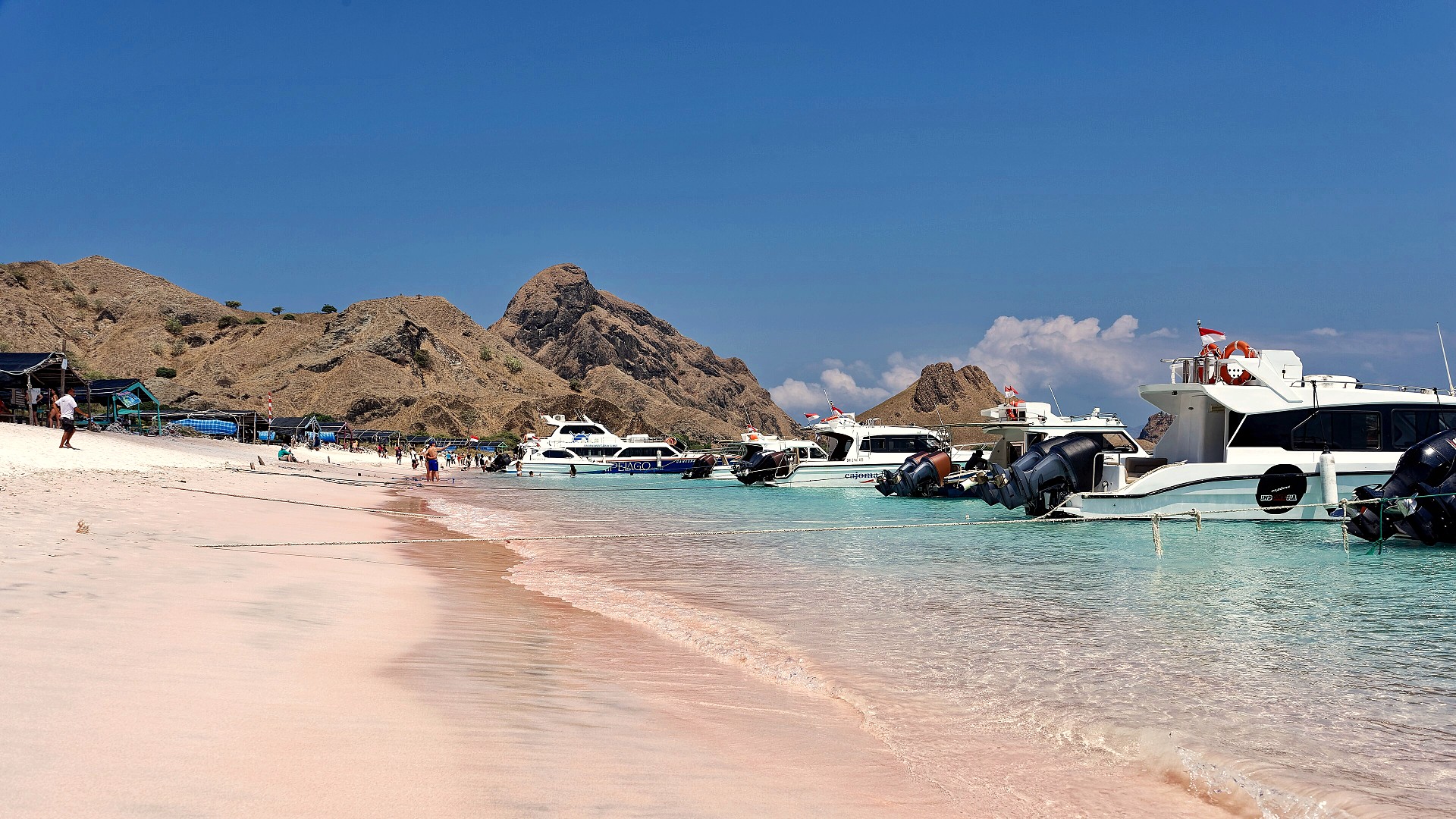
Dive emergencies, serious fractures, chest pain, high fever with a stiff neck or rash, and worsening dengue-like symptoms are not “wait and see” problems. On islands such as the Gilis, Nusa Penida or a liveaboard in Komodo, the plan may involve a speedboat and a clinic on the mainland. That is one reason we encourage a spare night in town before and after a boat trip, as in our Labuan Bajo boat trip notes, and a realistic view of distances in places like Raja Ampat.
- Arrive with a booked Bali airport transfer or the equivalent in other cities, so you are not hunting for a car when you are tired.
- Keep pharmacy numbers and a delivery option such as Bali pharmacy delivery on your phone.
- If you want the logistics handled as a single plan, start with a multi-day Indonesia tour.
Remote Islands, Treks and the Sea
The further you go from a city, the more your own preparation matters. For orangutan trekking around Bukit Lawang, a Rinjani climb, or a week of boats in eastern Indonesia, tell your doctor about the terrain and the distance to a hospital. Wear long sleeves at dawn and dusk, use repellent, and treat cuts promptly; small wounds go nasty faster in the heat. If you dive, make sure your insurance covers decompression treatment and know where the nearest chamber is relative to your itinerary. Our diving in Indonesia guide is about the water; your insurer is about what happens if a dive goes wrong.
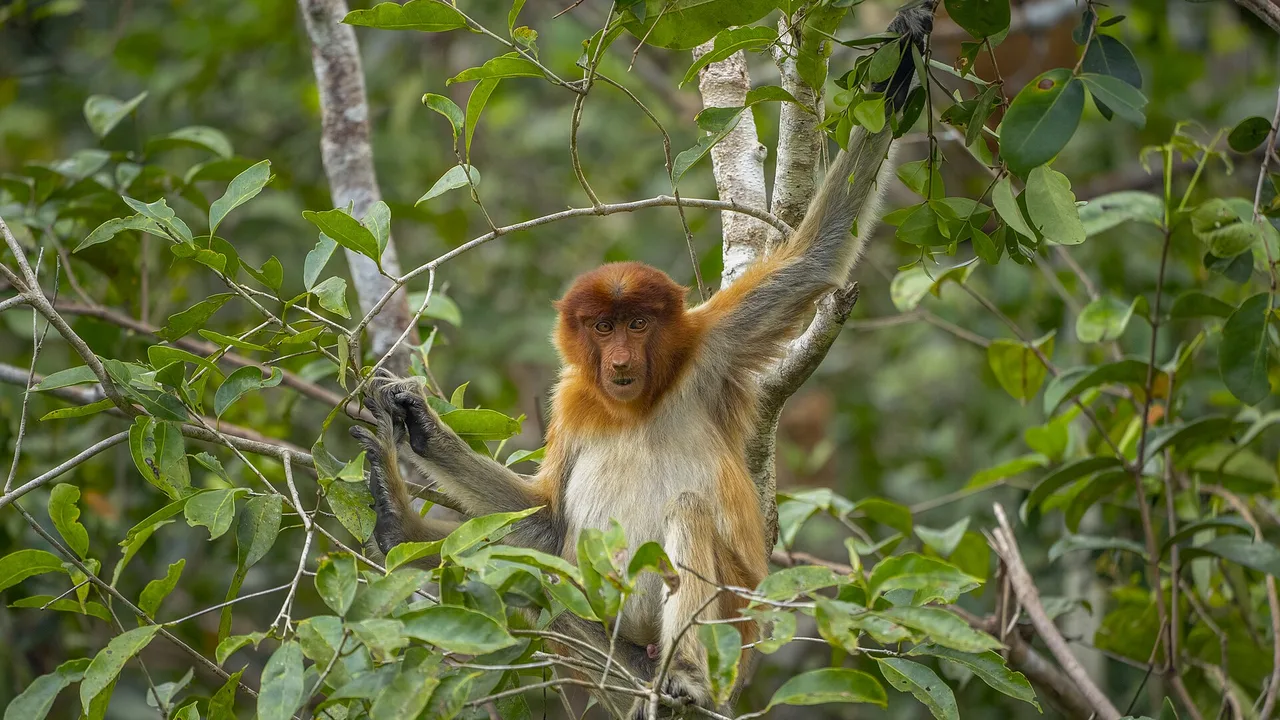
Rabies is present in Indonesia. Avoid stray dogs and monkeys, including at temples and in the Ubud monkey forest. If you are bitten or scratched, wash the wound thoroughly with soap and water and get medical care the same day. Do not wait until you are back in your home country. This is also a reason to think about rabies pre-exposure vaccination if your trip is long, rural, or likely to involve animals.
Where to Stay If Care Matters
If someone in the group is pregnant, older, or managing a condition that might need a clinic, it is reasonable to choose a first base close to good private hospitals: southern Bali, Jakarta, or Yogyakarta rather than a remote coast. You can still add a quieter island later, with a buffer of time and a clear transfer plan. Families often prefer this pattern; see Bali with kids for a practical shape. A mid-range hotel with reliable air conditioning, safe water and a front desk that can call a clinic is part of health planning, not a luxury footnote.
Budget guesthouses can be perfectly fine if they are clean and you are well. Problems start when a very cheap room, no sleep, strong sun and unfamiliar food all arrive on the same day. Give yourself a proper arrival night after a long flight, especially before a dawn trek or a fast-boat crossing.
Typical Costs
A travel-clinic visit at home varies by country. In Indonesia, a consultation at a private hospital in Bali or Jakarta is often in the range of about USD 30 to 80 before tests or medicines, and a simple lab test or drip adds to that. A night in a private hospital can run to several hundred dollars or more, which is why insurance matters. Pharmacies are inexpensive for basic items. Evacuation from a remote island, if you ever need it, is the cost that can become very large without a policy that names it clearly.
| Item | Typical range |
|---|---|
| Private clinic consultation in Bali or Jakarta | Often about USD 30 to 80, before tests |
| Basic pharmacy supplies for a two-week trip | Often about USD 10 to 25 if bought locally |
| Travel insurance with evacuation, per person | Varies widely; budget for a proper policy, not the cheapest add-on |
Practical Tips and Common Mistakes
Do not wait until the airport to think about insurance or a first-aid kit, and do not buy unmarked tablets from a stall. Do not ignore a fever after a mosquito-heavy week, and do not take leftover malaria tablets without advice. Tell a doctor about any dive in the days before a flight, keep hydrated on domestic flights, and take a quiet day if you need one. Indonesia etiquette and the Indonesian food guide are useful companions to this page.
Frequently Asked Questions
Do I need vaccinations for Indonesia?
You should discuss them with a travel clinic. Hepatitis A and typhoid are commonly considered, along with routine vaccinations, and some travellers also discuss rabies or Japanese encephalitis depending on the trip. There is no single list that fits every route.
Is there malaria in Bali?
Risk in Bali and in the main Javanese cities is considered low, and many short Bali trips do not involve malaria tablets. Other islands and rural areas can be a different conversation. Ask a professional about your exact itinerary, and use mosquito protection everywhere because of dengue.
Can I drink the tap water?
Visitors usually do not. Stick to sealed bottled or properly treated water. In decent restaurants the ice is generally made from treated water, but you can be more cautious in very simple places.
Where should I go if I get sick in Bali?
For anything beyond a minor complaint, use a reputable private hospital or clinic in the south of the island, such as the well-known international hospitals around the tourist corridor. Ask your hotel or insurer to help with the first call.
Is travel insurance really necessary?
Yes. Clinic visits are affordable by Western standards, but a serious problem, a dive accident or a transfer from a remote island is not. Choose a policy that includes evacuation and the activities you actually plan to do.
What should I pack for health?
Repellent, sunscreen, rehydration salts, a small dressing kit, any personal medicines, and copies of prescriptions. Add a short course of any medicine your doctor recommends for diarrhoea, and do not rely on buying everything after a late-night arrival.
Get Your Free Custom Indonesia Tour Quote Today!
If you want a route that stays close to good clinics when you need them, and still reaches the islands, our local team can shape the trip at a sensible pace.
Browse Multi-Day Tours Explore Short Excursions