Volcano hikes in Indonesia are one of the country’s great travel themes, and they are not all the same kind of day. Mount Batur, in Bali, is a short, busy sunrise walk. Mount Rinjani, on Lombok, is a genuine multi-day mountain trek. Mount Bromo, in East Java, is more of a viewpoint and caldera crossing than a hard climb. Ijen, also in East Java, is a night hike to a crater where sulphuric gas is a real factor and the blue fire is a possibility, not a certainty. Choose the mountain for the effort you actually want to make, not for a photograph you have already seen.
Detailed guides already exist for the main routes: the Mount Batur sunrise trek, the Mount Rinjani trek, Mount Bromo sunrise and the Ijen crater and blue fire. Many travellers combine the Java pair on a Bromo and Ijen tour from Bali, or travel overland with Bali to Java overland. A wider circuit is the Java Volcanoes and Temples tour. If you are planning the rest of the island, the Java travel guide sits next to this page.
The Main Hikes, Compared
Batur is the accessible volcano walk: a very early start from Ubud or the south, a steep path, and a sunrise over the lake and Agung if the cloud lifts. It is a real climb, but it is not a wilderness trek. Go for the morning, not for solitude.
Rinjani is a proper mountain: altitude, a crater lake, and a summit option that is harder than the posters suggest. It needs fitness, a licensed trek, and a willingness to accept seasonal closures and changing trail conditions. Read the dedicated trek guide before you book.
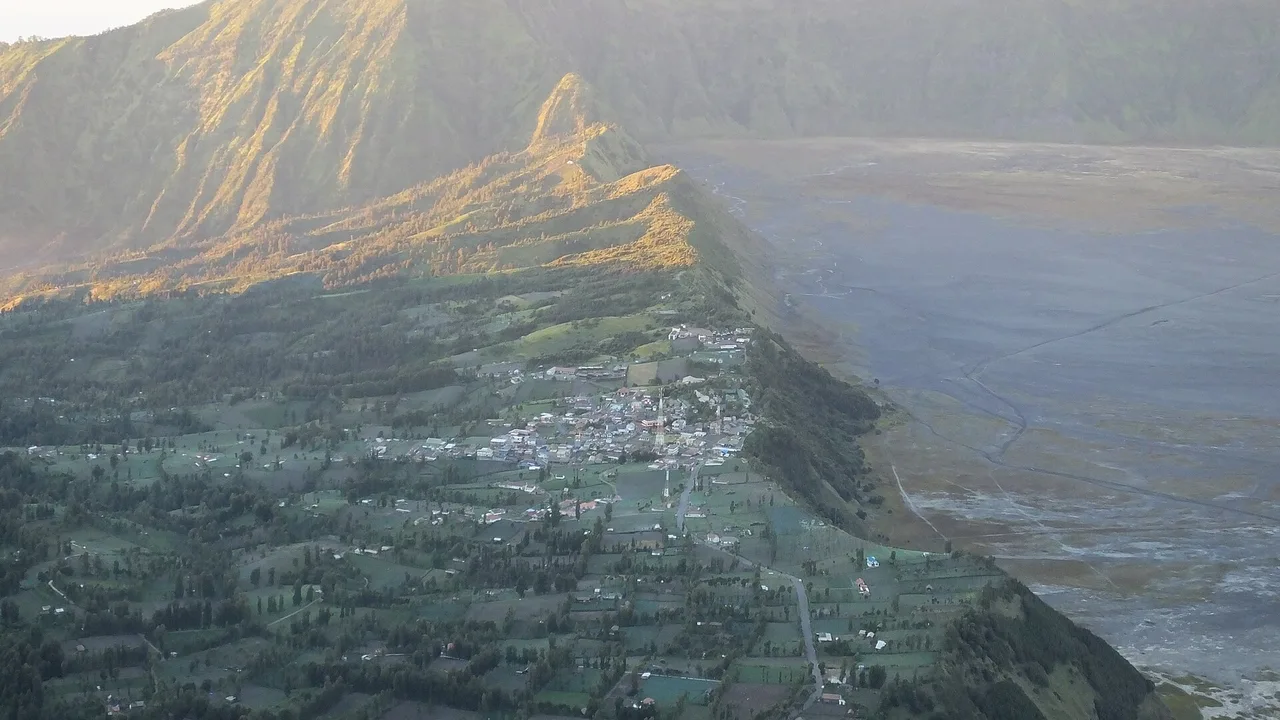
Bromo is about the caldera at sunrise, usually reached by jeep, with an optional walk to the crater rim. Ijen is a night hike to a lake and, when conditions allow, the blue fire, with masks and a respect for the miners’ path. Together they make a tight, popular two-night add-on from Bali.
Other names appear on wish lists. Mount Agung, Bali’s highest peak, is a serious climb with a sacred temple on its slopes, and access depends on permits and the volcano’s status; it is not a casual substitute for Batur. Merapi, above Yogyakarta, is active and tightly managed; some people do a slope or viewpoint visit rather than a summit, and the rules change. Kerinci, in Sumatra, is a long, remote trek for people already shaping a Sumatra trip, not a first volcano in a one-week holiday. Always check current access before you travel. Indonesia’s volcanoes close, or change routes, when activity rises. A blog post cannot give you a live all-clear.
How to Choose, and How Hard It Really Is
If you have one early morning in Bali and average fitness, Batur is the usual choice. If you have three or four days in Lombok, decent knees and a head for overnight camping, Rinjani is in a different league and is the hike people remember for years. If you are already crossing to East Java, or coming from Bali by ferry and car, Bromo and Ijen are the efficient pair: one dawn, one night, and a lot of driving in between. Ijen is not harder than Batur in pure distance, but doing it in the dark, with gas, tired legs and a tight onward ferry, is what undoes people. Do not add both Java volcanoes and a Rinjani summit to the same exhausted week.
Guides are the norm on Batur and Rinjani, and they are the sensible choice at Ijen. Independent walking is more realistic at some Bromo viewpoints, but a driver or a jeep is still how most people reach the caldera before dawn. For Batur, the usual outing is the Mount Batur sunrise trek itself, often reached with a very early pickup; a full-day private driver in Ubud is the wrong tool for a 2 a.m. start unless that is explicitly arranged. On Java, a planned tour is usually simpler than inventing the transfers at midnight in Bondowoso or Probolinggo.
- Bali: the Mount Batur sunrise trek.
- Java: the Java Volcanoes and Temples tour, or a focused Bromo and Ijen tour from Bali.
- Lombok: start with the Mount Rinjani trek guide and a stay planned around the trailhead.
Safety, Seasons and What to Bring
The common risks are not cinematic eruptions on the day you happen to visit. They are darkness, loose volcanic sand, cold at the rim, sulphur gas at Ijen, altitude and exhaustion on Rinjani, and operators who pack too many people into too little time. Wear proper shoes, take a layer, take a light, and take a mask for Ijen even if one is promised on site. If you have breathing problems, Ijen may simply be the wrong hike. If you have never walked uphill for two hours, Batur at speed in the dark will feel longer than it looks on a map. Rinjani’s summit night is colder and longer still.
The drier months, roughly from April or May through September or October depending on the island, are usually more stable underfoot and clearer at sunrise, which is why they are also more crowded. Rainy-season hikes are possible on some routes and unpleasant or closed on others; Rinjani in particular has formal seasonal closures that you must check. Cloud can hide every famous view in any month. For a wider calendar, see best time to visit Indonesia and, for Bali, Bali rainy season. Pack from the Indonesia packing list, then add a head torch and a warmer layer than you think you need.
How to Fit a Hike into a Wider Trip
Batur is an overnight decision: sleep in Ubud or near the mountain, go up, and have a slow afternoon. Rinjani needs to be the centre of a Lombok stay, with a buffer day after you come down, not a squeeze before a same-day flight. Bromo and Ijen need at least two nights on the Java side, and they combine naturally with Banyuwangi, Tumpak Sewu or Malang if you have more time. From Yogyakarta the temples come first, then a long transfer east; do not treat Bromo as a Yogyakarta day trip. If your holiday is mostly Bali beaches and temples, one sunrise on Batur is the honest volcano, and a Java add-on is a separate trip chapter.
Typical Costs
Prices vary with private versus shared departures, the number of days on Rinjani, and whether transfers from Bali are included. Confirm what is in the quote: guide, permits, jeep, mask, meals and return transport.
| Item | Typical planning range |
|---|---|
| Mount Batur sunrise trek, per person, shared | Often about USD 35 to 80, including hotel pickup from much of Bali |
| Bromo sunrise, jeep and viewpoint, per person | Often about USD 25 to 60 in a shared tour, more as a private jeep |
| Ijen night hike, per person, shared | Often about USD 25 to 60, plus a reasonable budget for a proper mask |
| Combined Bromo and Ijen from Bali, per person | Often about USD 150 to 300, depending on transport, rooms and group size |
| Rinjani guided trek, two to four days, per person | Often about USD 150 to 400, with longer private treks higher |
A very cheap Ijen or Rinjani quote can mean poor equipment, underpaid porters or a rushed timetable. Pay fairly. For a wider budget, see Indonesia travel costs.
Practical Tips and Common Mistakes
The first mistake is to treat every volcano as a sunrise viewpoint with a short walk attached. The second is to do Ijen the night after Bromo, then ferry back to Bali the same morning, and wonder why the blue fire is a blur. The third is to wear fashion trainers on loose scoria. The fourth is to ignore a closure or a gas warning because your dates are fixed. Book the hike that matches your fitness, keep a recovery afternoon, and have a plan B if the mountain is closed. Domestic connections are covered in Indonesia domestic flights; if you are going on to Lombok after Bali, see things to do in Lombok rather than making Rinjani the only hour you spend on the island.
- Choose Batur for a Bali morning, Rinjani for a real trek, Bromo and Ijen for an East Java add-on
- Check access and seasonal closures shortly before you travel
- Wear proper shoes, take a layer and a light, and take Ijen’s gas seriously
- Do not stack every famous volcano into the same tired week
- Budget for a fair guide, and for a quiet afternoon afterwards
Frequently Asked Questions
Which volcano hike is best for beginners?
Mount Batur is the usual first hike: steep but short, and run as a guided sunrise walk. Bromo can be even gentler if you stay at the viewpoints and only add a short crater walk. Ijen and Rinjani ask more of you.
Can I do Bromo and Ijen from Bali in a weekend?
Yes, and it is a common add-on, but it is a compressed trip with a lot of night driving. Two nights on the Java side is the minimum that feels reasonable; more time is better if you also want Tumpak Sewu or a rest in Banyuwangi.
Is Rinjani suitable if I have already done Batur?
Batur is useful practice for walking in the dark on volcanic ground, but Rinjani is a different undertaking: longer days, overnight camping and, if you go to the summit, a much harder night. Train for it, and read the trek guide carefully.
Do I need a guide?
On Batur and Rinjani, a guide is the standard and, in practical terms, the right way to go. At Ijen, a guide helps with timing, gas and the path in the dark. Bromo viewpoints can be visited with a driver and a jeep rather than a trekking guide.
What happens if the volcano is closed?
You change the plan. Closures and route changes are normal. Build a little slack into the itinerary, and do not spend the whole trip’s emotional energy on a single sunrise.
Get Your Free Custom Indonesia Tour Quote Today!
From a sunrise on Mount Batur to a careful Bromo and Ijen crossing or a Rinjani trek, our local team can help you choose a route that fits your fitness, your dates and fair local prices.
Browse Multi-Day Tours Explore Short Excursions