A Flores overland trip is the best way to understand the island beyond the harbour at Labuan Bajo. West Flores is famous for Komodo boats. Inland and east, the roads climb into cool highlands, pass rice terraces arranged in unusual circular patterns, reach traditional villages around Bajawa, and eventually arrive at the coloured crater lakes of Kelimutu. The distances do not look huge on a map. The roads are winding, sometimes slow, and often beautiful. That is why this journey should be measured in days, not in a single heroic drive.
This guide outlines a classic west-to-east route, how long to allow, where a side trip to Wae Rebo fits, and what a private driver costs. For the lakes themselves, see Kelimutu lakes. For the cone-shaped village in the hills, see Wae Rebo village. Boat days at the start or end are covered in Labuan Bajo boat trip. The combined itinerary is the Komodo and Flores tour.
The Classic Route, West to East
Most travellers start in Labuan Bajo after a flight into Komodo Airport and, often, a day or two on the water. From there the road runs inland to Ruteng, then on to Bajawa, then to Moni for Kelimutu, and finally to Ende or Maumere for a flight out. You can also fly into Maumere or Ende and travel west, which is equally valid and sometimes easier if you want a last Komodo boat before flying out of Labuan Bajo. The logic is the same: do not try to join all of these places in two days.
Leave the harbour behind. Stop at Cunca Wulang or similar west-Flores sites if you have time, then climb towards Ruteng and the spiderweb rice fields.
Volcanic country, cooler nights, hot springs, and Ngada villages such as Bena. A good place to slow down for a full day.
Sleep in Moni, go to the lakes at dawn, then continue to Ende or Maumere. This is the natural end, or start, of the road journey.
As a planning skeleton, four days on the road is a tight minimum after you leave Labuan Bajo, and five to seven days is more comfortable, especially if you add Wae Rebo or want a full day around Bajawa rather than a passing lunch. A sample pace: day one Labuan Bajo to Ruteng; day two Ruteng to Bajawa, perhaps via a rice-field or village stop; day three Bajawa with time in the highlands; day four Bajawa to Moni; day five Kelimutu at sunrise and a transfer to the airport. Add a night at Denge and Wae Rebo between Ruteng and Bajawa if that is a priority.
What You Actually See
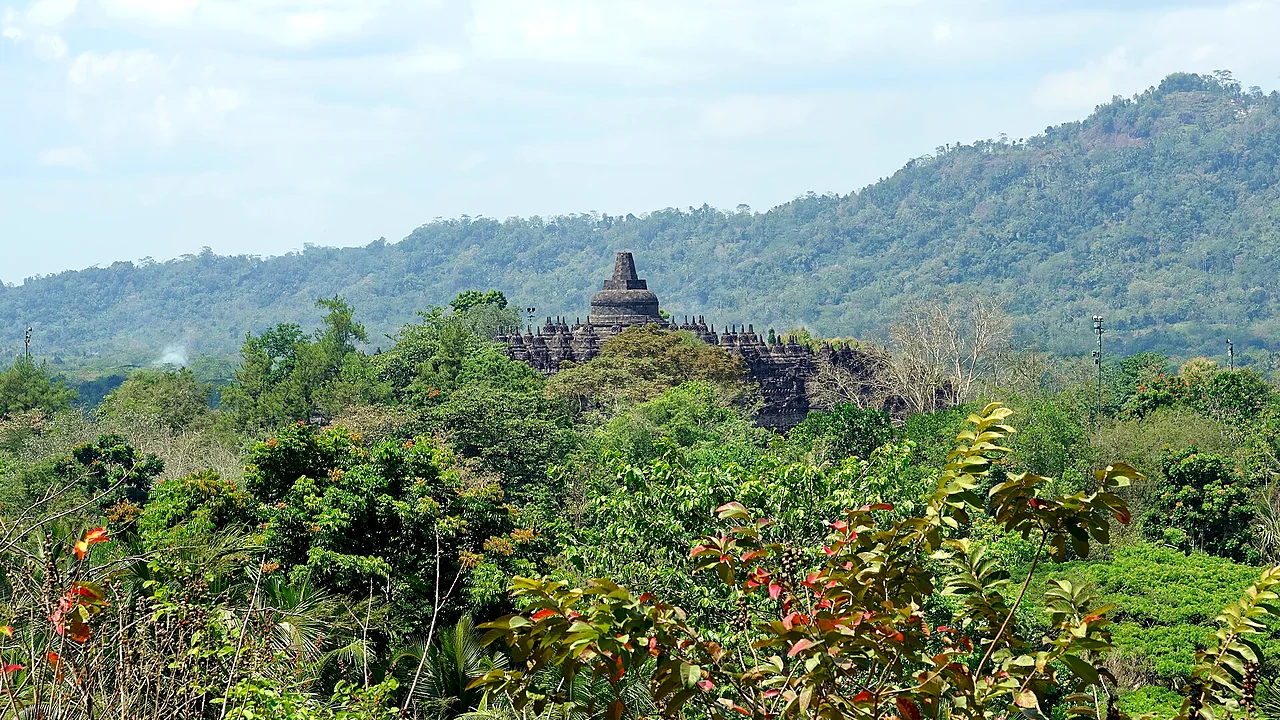
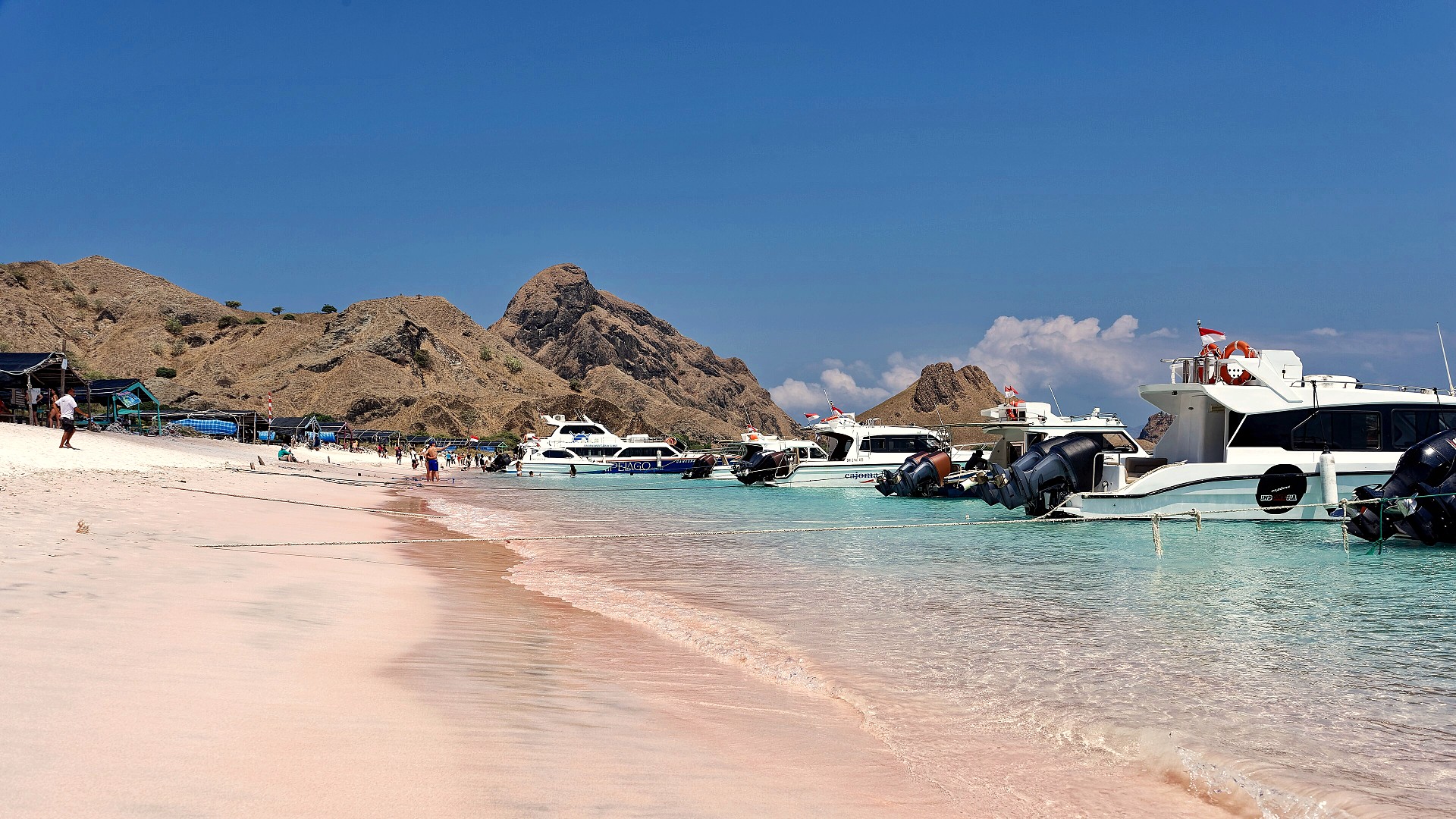
West of Ruteng, the landscape leaves the dry hills of the Komodo coast and becomes greener and more mountainous. Cunca Wulang canyon and the Batu Cermin area are easier as Labuan Bajo day trips than as rushed roadside stops, which is why many people keep a land day near town before they start the long road. A Cunca Wulang and West Flores private driver or the Cunca Wulang canyon and cave tour covers that well.
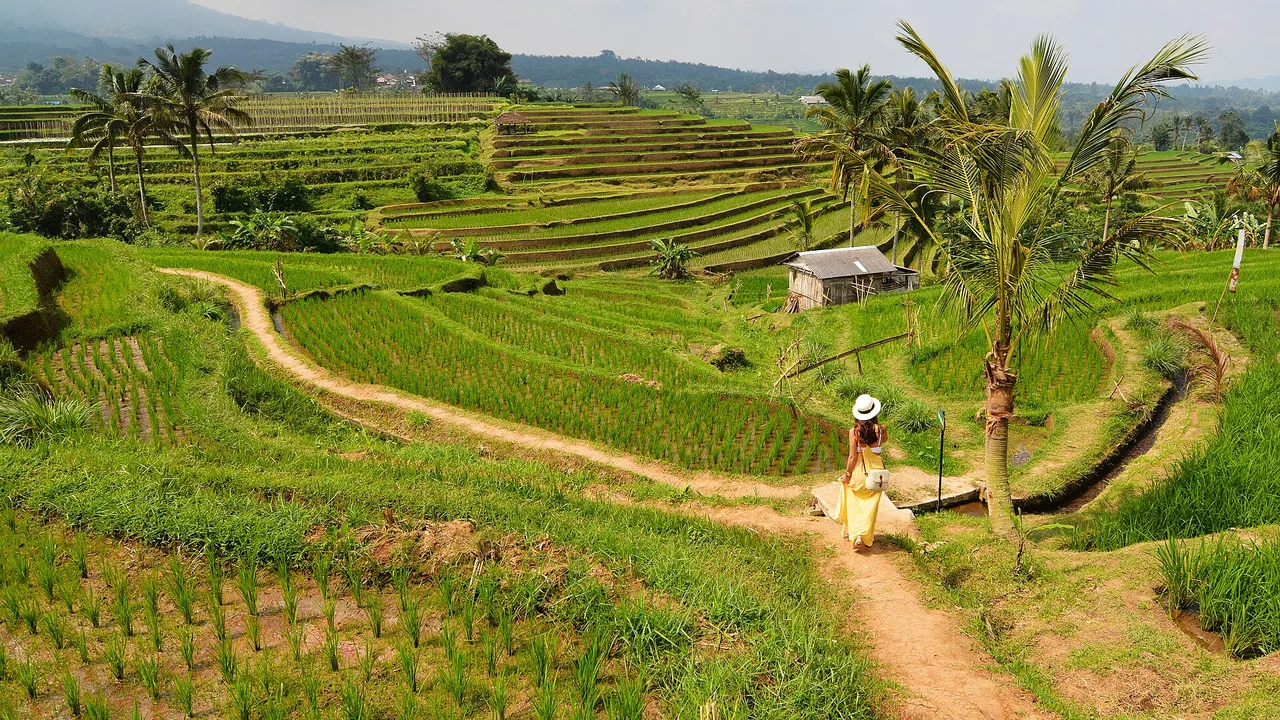
Around Ruteng, the so-called spiderweb rice fields, often visited near Cancar, are a distinctive geometric pattern of terraces, best seen from a viewpoint rather than described in advance. Liang Bua, the cave associated with the discovery of Homo floresiensis, is another possible stop if it fits the day and is open. A Ruteng and spiderweb fields driver is the usual way to structure this section. Ruteng itself is a working highland town, useful for a night rather than a long sightseeing list.
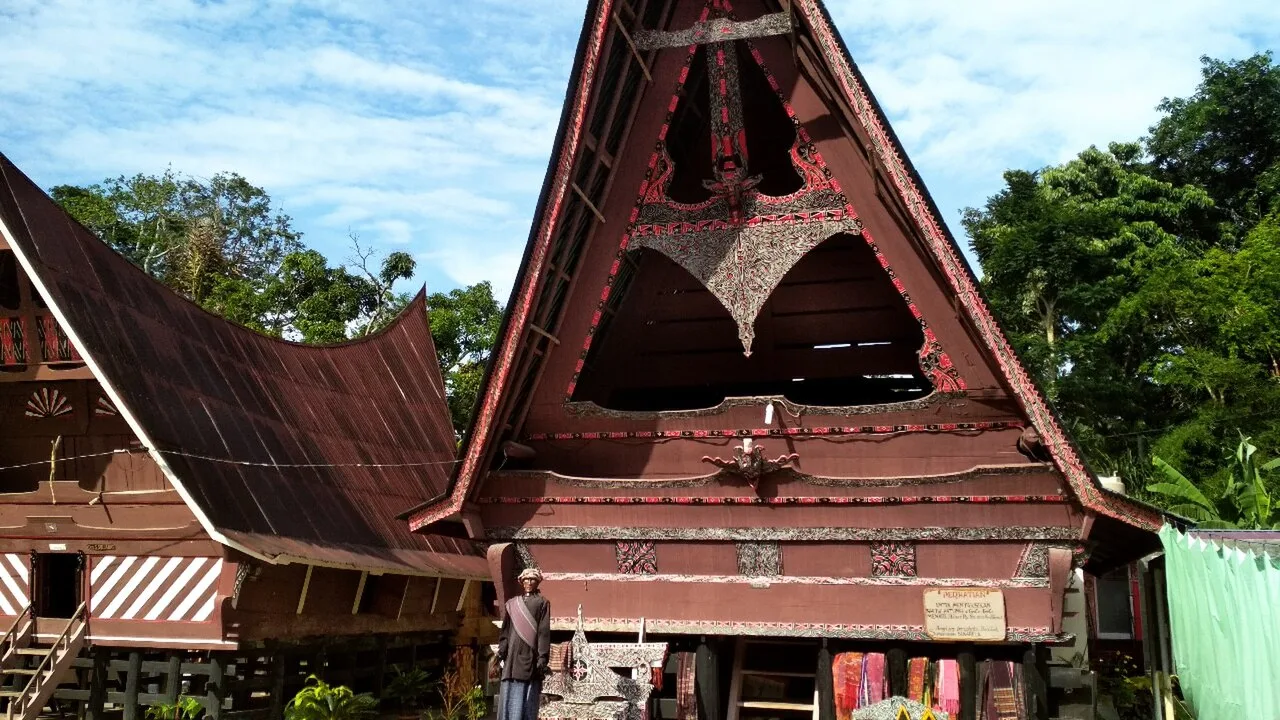
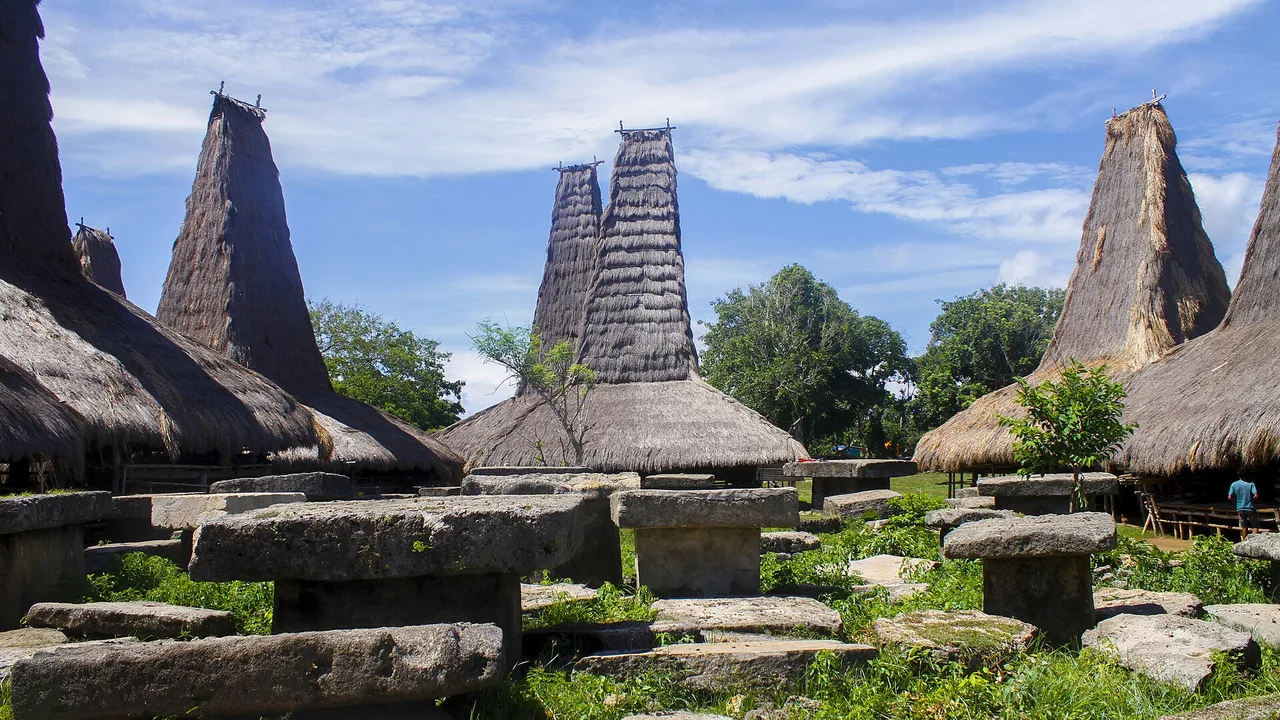
Bajawa is where many travellers fall for Flores. The town sits in volcanic country, with Inerie’s cone often in view on a clear day, hot springs in the wider area, and traditional Ngada villages in the surrounding hills. Bena is the best known, with megalithic stones and ancestral houses, and it is a living village, not a museum. Dress modestly, ask before you photograph people, and go with enough time to walk rather than to collect a single image. A night or two in Bajawa is better than a drive-through.
East of Bajawa the road continues towards Ende and then climbs towards Moni. This is often the longest transfer day, and it is why an early start matters. After Kelimutu, Ende or Maumere is the practical exit. There is no need to force a return to Labuan Bajo unless your onward flight is there; flying out of the east is cleaner.
Where Wae Rebo Fits
Wae Rebo is not on the main highway. It is a side journey: a drive towards Denge, then a hike of several hours into a mountain village of conical houses. It is worth doing, and it needs its own night, usually in the village itself. If you try to wedge it between a late Ruteng arrival and a next-day push to Bajawa, you will see very little and walk when you are already tired. The practical advice is in the Wae Rebo village guide. A Waerebo Denge private driver transfer and a Wae Rebo village trekking guide are the right tools for that detour.
If you have only four inland days, you may have to choose between a proper Wae Rebo overnight and a slower Bajawa stay. Both are good. Neither works if you treat it as a brief stop on a moving vehicle.
- Book a Flores vehicle such as a Fortuner with driver for the highland days.
- Use the Labuan Bajo to Ruteng or to Bajawa transfer as a first stage, not the whole island in one hop.
- For boats plus the overland, look at the Komodo and Flores tour.
How to Travel, and How Long the Drives Take
A private car with a driver is the sensible way to do this. Roads are paved for much of the route but remain narrow, steep and slow, with weather, roadworks and local traffic able to change a timetable. Self-drive is possible for confident drivers used to Indonesian mountain roads; for most visitors it adds stress without much freedom, because you still have to find lodgings and dawn starts. Public buses and shared cars exist, but they make a tightly timed Kelimutu sunrise harder and turn every transfer into a negotiation.
As rough ranges, Labuan Bajo to Ruteng often takes around four to six hours, Ruteng to Bajawa around three and a half to five, and Bajawa to Moni a long half-day or more, often five to seven hours depending on stops and the exact road conditions. These are not promises. They are a reason to start early and to avoid stacking a viewpoint, a village and a four-hour drive into the late afternoon as if they were city errands.
Flights bookend the road. Into Labuan Bajo, the Labuan Bajo airport transfer is a short hop. Out of Ende or Maumere, allow proper time for the last mountain-to-airport run after your Kelimutu morning. Domestic connections are outlined in Indonesia domestic flights; keep slack, because a missed flight in eastern Indonesia can cost a day.
Typical Costs
The main costs are the car, the lodgings, meals, park and village fees, and, if you start with Komodo, the boat. A private driver and vehicle for a full overland day is often in a band of about USD 70 to 120, depending on distance, vehicle type and whether the day is a long transfer. Simple and mid-range rooms in Ruteng, Bajawa and Moni might run from about USD 20 to 60, with simpler guesthouses lower and the better rooms higher. Meals are inexpensive by Bali-resort standards. Village visitor contributions and the Kelimutu park fee are official or community charges; confirm current amounts as you go rather than relying on an old figure.
| Item | Typical planning range |
|---|---|
| Private car with driver, per overland day | About USD 70 to 120 |
| Room in Ruteng, Bajawa or Moni | About USD 20 to 60 for many mid-range or simple stays |
| Meals | Often USD 3 to 10 per person at local restaurants |
| Labuan Bajo hotel, mid-range, if you start with Komodo | About USD 40 to 120 per night |
| Shared or private Komodo day boat, if added | See the boat trip guide for ranges |
Practical Tips and Common Mistakes
The usual mistake is to copy a route that looks compact and then drive in the dark. The second is to skip Bajawa as “just a stop,” which wastes one of the most interesting stretches. The third is to add Wae Rebo without adding a night. The fourth is to fly out of Labuan Bajo after finishing at Kelimutu, which forces a long return back west. Pack a warm layer for highland nights, motion-sickness tablets if you need them, and cash, because card machines thin out away from Labuan Bajo. For packing more generally, the Indonesia packing list still applies.
- Allow at least four inland days after Labuan Bajo, and more if Wae Rebo is included
- Start long transfer days early
- Sleep in Moni the night before Kelimutu
- Treat village visits as visits, not as photograph-only stops
- Fly out of Ende or Maumere if you have finished in the east
- Carry cash and a warm layer for the highlands
The dry-season months, roughly April to October or November, usually offer easier roads and clearer views, though Flores can still surprise you with rain. In the wetter period, allow even more slack and be ready to adjust. That seasonal pattern is the same one set out in best time to visit Indonesia.
Frequently Asked Questions
How many days do I need for a Flores overland trip?
Four days on the road after Labuan Bajo is a tight minimum to reach Kelimutu at a human pace. Five to seven days is more comfortable, and you need an extra night for Wae Rebo.
Is the road from Labuan Bajo to Kelimutu difficult?
It is winding and slow rather than technical. The difficulty is time and fatigue, not the need for off-road driving on the main route. A local driver is the comfortable choice.
Should I go west to east or east to west?
Either works. West to east is common if you start with Komodo. East to west is good if you want to fly into Maumere or Ende and finish with a boat from Labuan Bajo.
Can I do this by public transport?
Yes, in stages, but it is slower and makes a dawn Kelimutu visit harder to time. A private car is the straightforward option for most visitors.
Do I need to include Komodo?
No, but many travellers do, because Labuan Bajo is the usual starting airport in the west. You can also travel inland only, and fly in or out of Ende or Maumere.
Get Your Free Custom Indonesia Tour Quote Today!
From the Komodo coast to Kelimutu, our local drivers help you cross Flores at a sensible pace and fair local prices.
Browse Multi-Day Tours Explore Short Excursions