Almost every visitor to Bali spends time at a temple, whether that is a sea temple at sunset, a courtyard in Ubud, or a mountain sanctuary above the lake. These are not empty monuments. They are used for daily offerings and for ceremonies that can fill a courtyard with music, prayer and processions. Good Bali temple etiquette is mostly a matter of modest dress, a calm manner, and the humility to follow what the staff or your guide ask on the day. Get those things right, and you will be welcome in places that are very much still at work.
This guide covers dress, behaviour, photography and a few rules that surprise first-time visitors. It is a companion to days in Ubud and across Bali, and it pairs with tours such as the Ubud Rice Terraces and Temples outing or the Bali Temples and Culture Tour. A Ubud temples and culture guide is the easiest way to have someone explain what you are looking at, not only what to wear.
How to Dress
The basic rule is to cover shoulders and knees, for both men and women. A sarong around the waist and a sash around the waist or midriff are required at many temples and are often provided at the entrance for a small rental or donation. Bringing your own sarong is more comfortable, more hygienic, and useful when you visit more than one site in a day. A light shirt with sleeves is better than a strapless top with a scarf that slips off every time you raise a camera.
Shoes are usually removed only if you are asked to, or if you enter a particular pavilion. In most large visitor temples you walk in sandals or easily removed shoes on stone and paving. Beachwear, wet swimwear and bare torsos are not appropriate, even at temples that stand right above the sea, such as Uluwatu or Tanah Lot. Hats are sometimes asked to be removed in inner courtyards; follow the sign or the attendant.
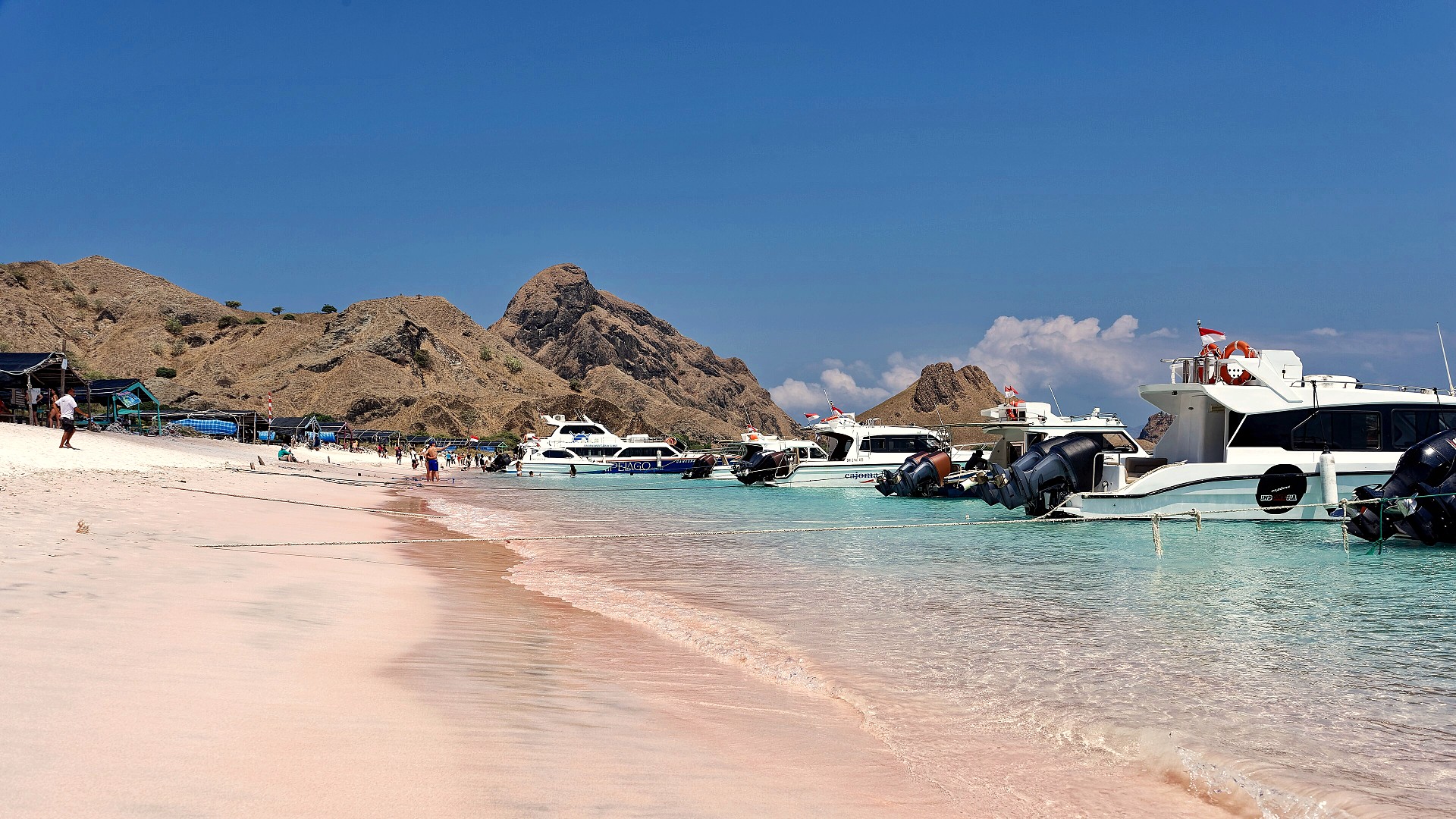
A spectacular sea temple where modest dress still applies, and where sunset dance performances have their own seating rules.
Popular afternoon stops; Taman Ayun is a royal temple with a moat, and Tanah Lot is at its busiest near sunset.
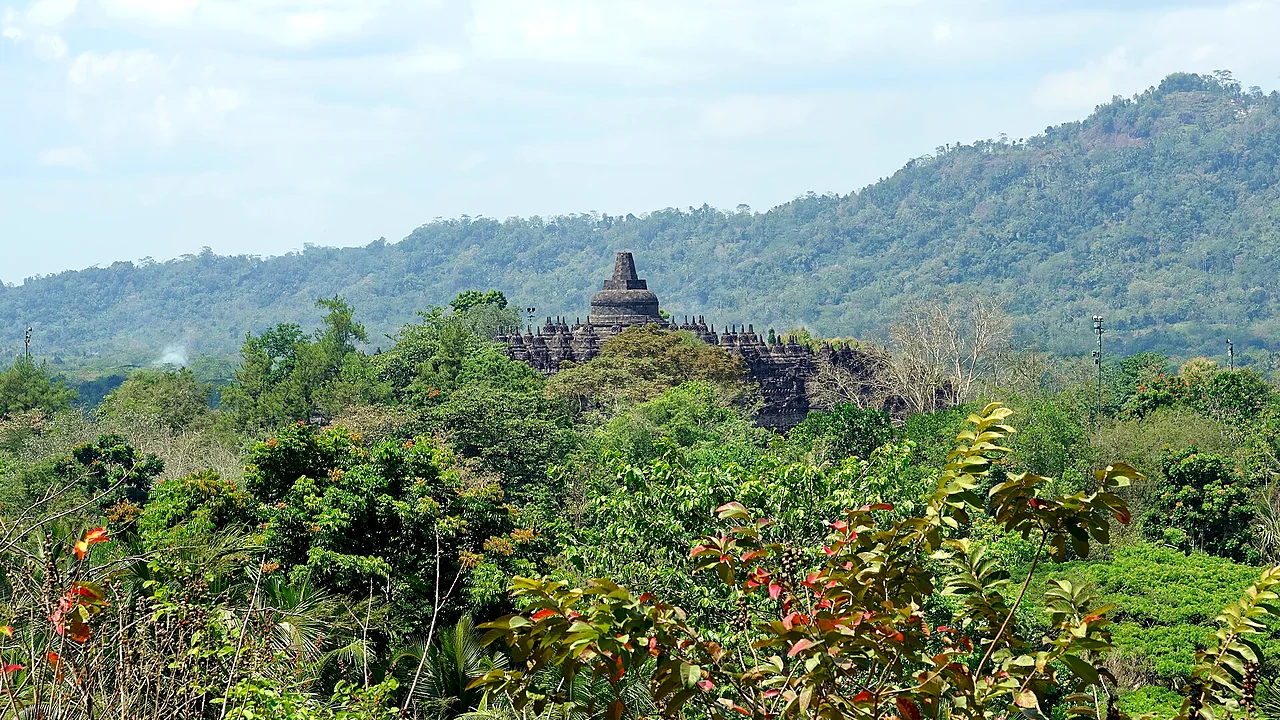
The island’s mother temple and a water palace; both reward a guide and a respectful, unhurried visit.
Ceremonies, Offerings and Where You May Walk
You will see small offering trays of flowers, rice and incense on the ground, on walls and at altars. Do not step on them if you can avoid it, and do not move them for a photograph. If a ceremony is underway, stand where visitors are shown to stand, keep your voice down, and do not cut across a procession. Some courtyards or shrines may be closed to visitors even when the outer temple is open. That is normal, not a slight.
There are also traditional restrictions that can apply at particular temples or during particular ceremonies, including rules about entering inner spaces. These can change, and they are not always identical from one site to the next. If you are told you may not enter a certain courtyard, accept it and enjoy the areas that are open. A local guide is the best person to interpret what is happening and what is appropriate that day, especially at a large complex such as Besakih.
- See Uluwatu at the right hour on the Uluwatu Temple and Kecak sunset tour.
- Combine west-coast temples on the Tanah Lot, Taman Ayun and Jatiluwih tour.
- Go further east on the Besakih Temple and Tirta Gangga tour.
Photography and Drones
Photographs are welcome in many public areas of the main visitor temples, but people at prayer are not props. Ask before you photograph a person at close range, and never stand in front of someone who is praying in order to get your shot. Do not climb on shrines, walls or statues. Tripods and intrusive equipment can be unwelcome in crowded courtyards. Drones are restricted or banned at many temples; do not launch one because the light looks good.
During a ceremony, it is better to take fewer pictures and watch more. If an attendant asks you to stop filming, stop. The image is not more important than the ritual in front of you.
Behaviour Inside the Temple
Keep your voice down, and keep children close so they do not run through offerings or into restricted pavilions. Avoid pointing your feet towards a shrine if you sit down, and do not sit on temple walls or on platforms that are clearly part of the sacred architecture. Public displays of affection that would be fine on the beach can feel out of place in a courtyard. Smoking in the inner areas is also inappropriate.
If you are invited to receive blessed water or rice, you may accept politely or step back if you are unsure; a guide can show you how to do this respectfully. You do not need to pretend to be Hindu. You do need to be a courteous guest. Hands are better than feet for pointing, and a calm “thank you” goes a long way at the entrance desk.
Practical Planning Around Temple Visits
Go early or late if you can. Midday is the hottest and often the most crowded at well-known sites. Pairing a temple with a nearby rice terrace, a lunch stop, or a second, quieter sanctuary is better than racing between four famous names. A Ubud and Central Bali driver or a full-day driver in South Bali makes the modest-dress routine easier, because you can keep a sarong in the car and change footwear between beach and temple.
Entry tickets at major temples are modest by international standards, but they add up, and some sites have separate fees for parking, sarong rental or a performance. Carry cash. For a west-coast afternoon that ends at the sea, the Tanah Lot combination works well; for a cliff sunset and a kecak dance, Uluwatu is the classic choice. Leave enough time so you are not jogging up the steps in a poorly tied sarong as the sun drops.
Costs to Keep in Mind
| Item | Typical cost |
|---|---|
| Entry to a major visitor temple | About USD 5 to 15 per person |
| Sarong rental, if you do not bring one | About USD 1 to 3, sometimes included |
| Uluwatu kecak performance ticket | About USD 10 to 15, confirm current prices |
| Private car with driver for a temple day | About USD 45 to 80 |
| Local cultural guide for the day | About USD 30 to 70 |
Practical Tips and Common Mistakes
- Pack or buy a sarong and a light long-sleeved shirt on day one
- Cover shoulders and knees before you reach the gate, not in the entrance crush
- Never step on offerings or climb on shrines for a photograph
- Ask before photographing people at prayer
- Accept closed courtyards and special ceremony rules without argument
- Do not arrive in wet beachwear, even at a sea temple
- Give yourself time; rushed visits make etiquette harder to keep
The most common mistake is treating a temple as a viewpoint with a dress code, rather than as a place of worship that also happens to be beautiful. The second is wrapping a sarong so loosely that you spend the visit holding it up. Tie it firmly, move slowly, and if you are unsure, watch what local worshippers are doing and follow the more conservative example. For a fuller cultural day, add a village lunch or a Balinese cooking class in Ubud rather than another hurried ticketed stop.
If you are visiting more than one temple, keep a spare sarong in the daypack so you are not delayed at each gate. The same pack should hold a bottle of water and a modest extra layer, because courtyards can be both hot and surprisingly formal once you are inside.
Frequently Asked Questions
Do I have to wear a sarong in every Bali temple?
At most major visitor temples, yes, or at least a garment that covers the legs to the ankles, often with a sash. Rules are enforced more strictly at some sites than others.
Can I visit a temple if there is a ceremony on?
Often you can watch from designated areas, but some spaces will be closed. Follow attendants and do not walk through a procession.
Is it acceptable to take photos?
In many public courtyards yes, but never in a way that interrupts prayer, and never on shrines or with a drone where it is banned.
What should men wear?
Covered shoulders and knees, and a sarong at temples that require one. A T-shirt and shorts are not enough at many sites.
Do I need a guide to visit temples in Bali?
Not always, but a guide adds meaning and helps with etiquette at larger or more formal complexes. Independent visits are easier at the well-signed tourist temples if you dress correctly.
Get Your Free Custom Indonesia Tour Quote Today!
Temple days, cultural guides and private drivers in Bali, arranged so you arrive dressed, on time and in the right courtyard.
Browse Multi-Day Tours Explore Short Excursions