Indonesia is warm for much of the year, but a single bag still has to cope with more than beach weather. You may need modest clothes for a temple in the morning, a dry layer for a ferry or a sudden downpour, and something warmer for a highland night or a volcano sunrise. The country is also easy for small purchases: sarongs, cheap rain ponchos and extra T-shirts are widely available, so there is no need to pack for every possible day.
This Indonesia packing list is a practical starting point for a two- or three-week trip that might include Bali, Java and one more island. Adjust it if you are diving, surfing or trekking for several days. For timing and weather, use our best time to visit Indonesia guide, and check Indonesia visa on arrival before you fly so your documents are in the same place as your clothes.
Clothing: Heat, Temples and Evenings
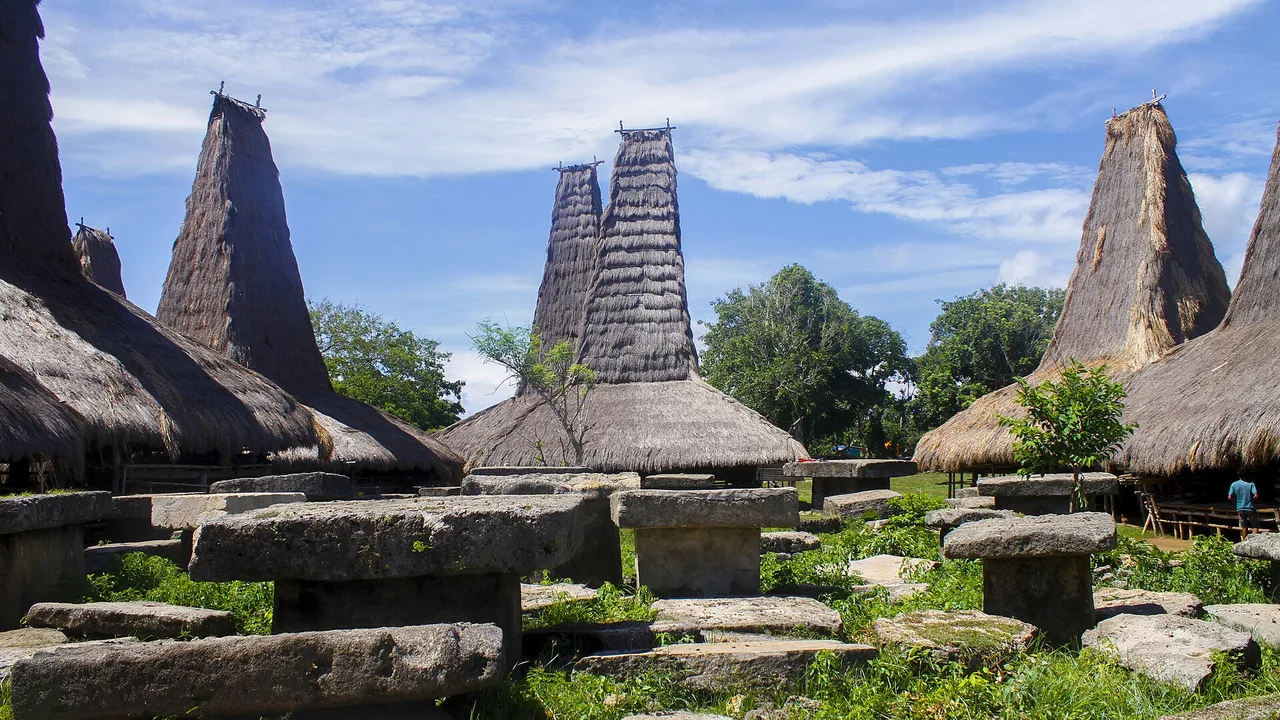
Light, breathable fabrics are the core of the bag: T-shirts or linen shirts, shorts for the beach and the hotel, and at least one pair of trousers or a long skirt. For temples and many villages, shoulders and knees should be covered. A light long-sleeved shirt and a sarong take up almost no space and will be used again and again, in Bali, in Yogyakarta, and in places such as Tana Toraja or Sumba where modest dress is a form of respect, not only a ticket rule.
Evenings in beach towns can be informal. Highlands and volcano rims are different. If your plan includes Mount Batur, Mount Bromo, Ijen or Rinjani, pack a warm layer, a windproof or insulated jacket, and socks you do not mind wearing before dawn. A light rain jacket beats a flimsy poncho in wind, though a poncho is a useful backup in a day bag.
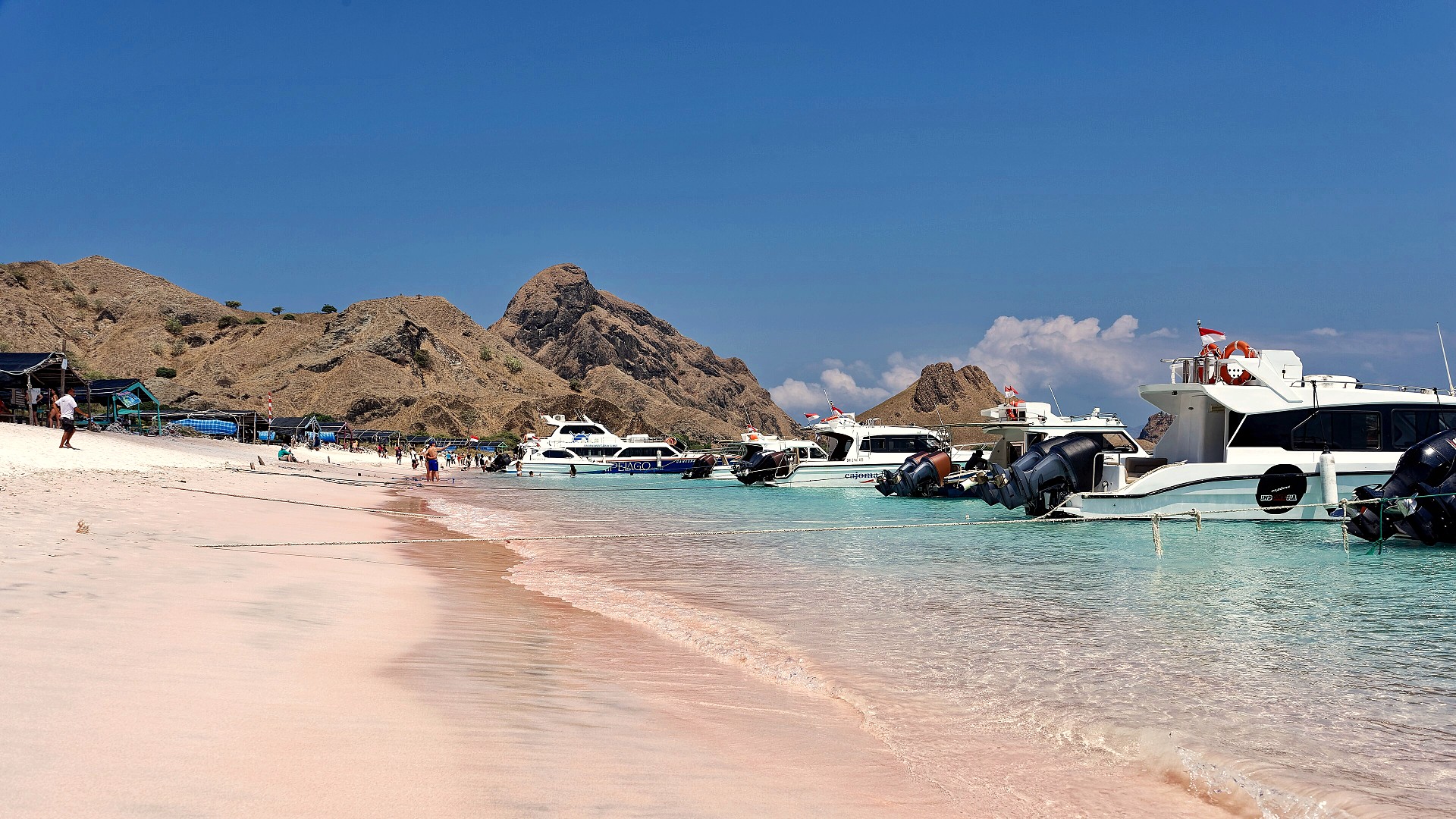
Swimwear, a rash vest or light shirt, a hat, sandals you can walk in, and a dry bag for boats.
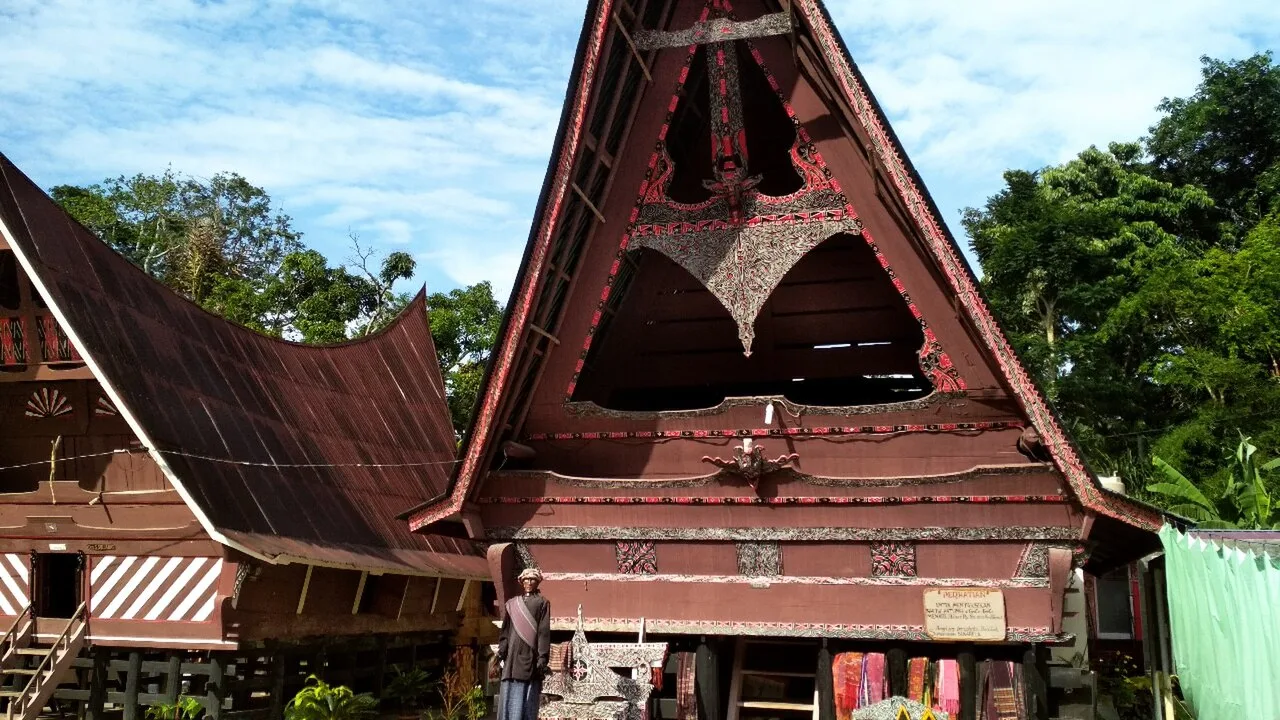
Covered shoulders and knees, a sarong and sash if you have them, and shoes you can slip off if asked.
A warm layer, a rain jacket, closed shoes with grip, and a headlamp for very early starts.
Shoes and Day Bags
Two pairs of shoes are enough for most trips: one pair of sandals or lightweight trainers for daily use, and one pair of closed shoes with grip for temples, jungle paths and volcanoes. New boots that have not been worn in are a common source of blisters on a Rinjani or Ijen day. Flip-flops are fine at the hotel and the beach, but they are a poor choice for wet boat landings, Padar Island, or forest trails.
A small daypack will be used every day. Inside it, keep a dry bag or waterproof pouch for your phone and passport on boats, plus a refillable bottle. Many hotels can refill water, which cuts down on plastic. A foldable tote is handy for markets and wet swimwear on the way back to the car.
Documents, Money and Electronics
- Passport with enough validity, plus printed or offline copies of tickets and visas
- A credit or debit card and some cash in a place that is not your main bag
- A universal adapter; Indonesia generally uses types C and F at 230 volts
- Phone, charger, a small power bank, and a waterproof pouch
- Any required driving licence if you insist on renting a scooter, plus travel insurance details
- A spare pair of glasses or contact lenses if you depend on them
You will probably buy a local SIM or eSIM after arrival; see our Indonesia SIM card guide once you are planning data as well as socks. Keep a little of your home currency or a card you can use at airport ATMs, then withdraw Indonesian rupiah in sensible amounts. A money belt is optional; a zipped bag you actually wear is more useful than a deep hiding place you never check.
- Arrange eSIM and SIM card delivery in Bali or in Jakarta if you would rather not queue at the airport.
- Book your first Bali airport transfer or Jakarta airport transfer before you pack the last bag.
- For a longer route, start with a multi-day Indonesia tour and pack to that plan.
Health and Sun
Pack regular medication in original packaging, plus a basic first-aid kit: plasters, blister pads, pain relief, oral rehydration, and any personal items you do not want to hunt for in a small-town pharmacy. Insect repellent is useful, especially around dusk, in rice-field areas and in jungle destinations such as Bukit Lawang. Sunscreen should be strong and, for reef days, as reef-safe as you can find. After-sun or a simple moisturiser helps in the dry season, when air-conditioning and sun both dry the skin.
This is not a substitute for medical advice. Speak to a travel clinic about vaccinations and malaria risk for your specific route, particularly if you are going to rural parts of eastern Indonesia or jungle areas. Travel insurance that covers trekking, scooters or diving, if those are in your plan, is more important than an extra pair of shorts. For a wider planning view, you can later pair this list with our notes on travel health and on Indonesia travel costs.
What to Leave Behind
You do not need a full formal wardrobe, a heavy coat, or a different outfit for every dinner. Valuable jewellery is a burden. A large hard suitcase is awkward on boats, in small cars, and on the steps of a guesthouse in the hills. If you can travel with a carry-on plus a small backpack, many island hops become easier, though checked luggage is still reasonable if you are on a straightforward hotel trip in Bali and Java only.
Cotton towels, beach umbrellas, large bottles of shampoo and a collection of “just in case” gadgets almost always stay in the bag unused. Hotels provide the basics, and minimarkets are everywhere in tourist towns. In more remote places, you will be glad you packed medication and a rain layer, not a fourth pair of shoes.
How the List Changes by Trip Type
A week in South Bali and Ubud needs less than a journey that includes Komodo boats, a Rinjani trek and a few nights in a simple village. For a seven-day Bali itinerary, focus on temple clothes, swimwear, a rain layer and comfortable walking shoes. For a two-week Indonesia itinerary that jumps islands, add a dry bag, a warmer layer, and more modest clothing. For Sumba, Toraja or jungle trekking, closed shoes and a willingness to get them dirty matter more than city outfits.
If you surf or dive, your sports kit will dominate the bag. The rest of the list can shrink around it. If you travel with children, add their usual comforts, a spare set of clothes in the daypack, and patience for slower security and boat boarding, rather than twice as many adult clothes.
Practical Tips and Common Mistakes
- Pack a sarong even if you think you will rent one every time
- Wear your heavier shoes on flight days to save space
- Put chargers, medication and a change of clothes in your cabin bag
- Do not pack new hiking shoes untested
- Leave room for a textile or a small souvenir rather than filling the case now
- Check airline domestic luggage limits, which can be tighter than long-haul
- Keep the daypack ready for boats: dry bag, water, sunscreen, ticket
The most common mistake is packing for a European or North American idea of “the tropics” and then being cold at 3 a.m. on a volcano, or underdressed at a temple. The second is bringing a suitcase that is hard to lift onto a fast boat. Pack for heat, pack one warm layer, cover your shoulders, and buy the rest if you need it. Indonesia is a good place to travel slightly light.
If you are flying several domestic legs, weigh the bag once at the start and keep a little space, because souvenirs and a damp bag of clothes have a way of appearing mid-trip. A cheap laundry service in Ubud, Yogyakarta or a beach town is often a better solution than packing a second week’s worth of shirts.
Frequently Asked Questions
Do I need a rain jacket in Indonesia?
Yes, a light one. Showers can be heavy even in the drier months, and a jacket is more useful in the wind than a thin plastic poncho alone.
What should I wear to temples in Bali and Java?
Cover shoulders and knees. A sarong and sash are often required or provided at major temples. Closed or easily removed shoes are practical.
Can I buy clothes and toiletries when I arrive?
Yes, in any tourist town. Pack the items you care about, such as medication, shoes that fit, and a jacket, and buy simple extras as needed.
What plug adapter do I need?
Indonesia generally uses two-round-pin sockets, types C and F, at 230 volts. A universal adapter is the easiest option.
Should I pack a dry bag?
Yes, if you will take boats, snorkel, or travel in the wet season. A small dry bag or waterproof pouch protects your phone and documents.
Get Your Free Custom Indonesia Tour Quote Today!
Tell us your route and dates, and we will help you plan the islands, transfers and days so you know what to pack.
Browse Multi-Day Tours Explore Short Excursions