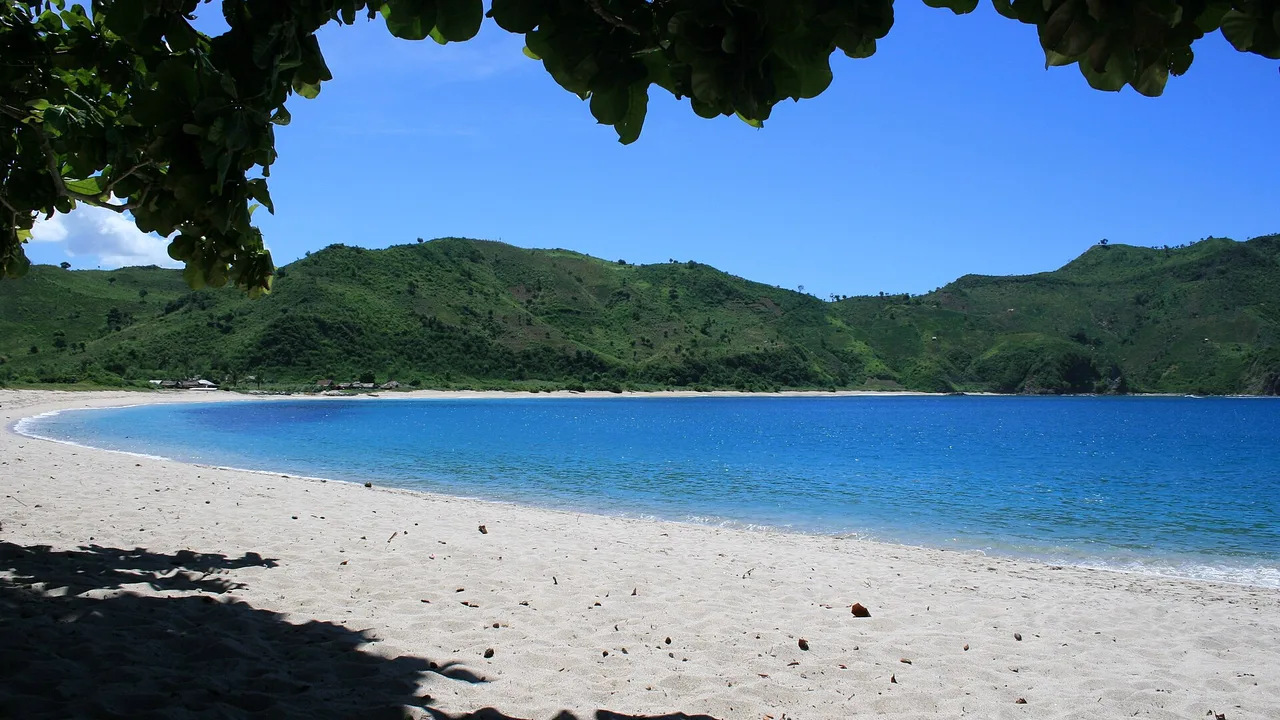
From the fast boat, the three Gili islands look like a single idea: small, sandy, ringed with turquoise water, and free of cars. On shore, the mood changes quickly. Gili Trawangan is the busiest, with dive shops, late bars and a firm place on the backpacker and nightlife circuit. Gili Air sits in the middle, quieter than Trawangan but still social, and popular with couples and families. Gili Meno is the smallest and the most low-key, with fewer places to eat and a slower pace that some travellers love and others find too quiet.
This guide compares Gili Trawangan, Gili Air and Gili Meno in practical terms: atmosphere, snorkelling, where to stay, how to get there and what a day costs. For boat connections from Bali, see Bali to the Gili Islands. Island services and transfers are gathered on our Gili Islands page.
The Short Version
If you want evening energy, plenty of restaurants and the widest choice of dive shops, choose Trawangan. If you want a friendlier village feel, easy swimming and a balance between quiet and convenience, choose Air. If you want as little noise as possible, and you are happy with fewer facilities, choose Meno. Many visitors stay on one island and take a snorkel boat or a short hop to see the others, which is easy to do in a single day.
The largest island, with the most rooms, dive centres, restaurants and nightlife, plus a well-known sunset side.
A mid-sized island that is relaxed without being empty, with beaches on several sides and a strong snorkelling scene.
The smallest of the three, known for its lagoon, turtles and a slower, more limited set of hotels and warungs.
Gili Trawangan in More Detail
Trawangan is where most first-time visitors land, and it is the easiest island to organise. You can walk or cycle the coastal path, find a dive shop on short notice, and eat almost anything from simple Indonesian food to a longer dinner. The east coast is the busier strip; the west is known for sunsets. It can feel crowded in July, August and around holidays, and music from bars runs later than on the other two islands.
If nightlife is not your priority, you can still stay on Trawangan and choose a quieter hotel slightly away from the main strip, or use it as a one-night arrival point before moving to Air or Meno. Accommodation ranges from simple rooms to more comfortable beach hotels such as Vila Ombak. For a gentle look at the island itself, there is a cidomo island tour, and restaurant deliveries are easy to arrange, including Trawangan restaurant delivery.
Gili Air in More Detail
Air is the island many people wish they had chosen first. It has enough cafés, dive operators and rooms to be convenient, but the evenings are generally calmer than on Trawangan. Beaches wrap around more of the island, and snorkelling from the shore can be good in several spots when the sea is calm. It is a strong choice for couples, families with older children, and anyone who wants to be in the Gilis without committing to a party island.
Getting around is still a matter of walking, cycling or taking a cidomo, such as a Gili Air cidomo taxi. Groceries and water can be brought to your room through Gili Air groceries and water delivery, which is useful if you are in a villa or a quieter corner. A Gili Air and Meno island guide helps if you want local context beyond the beach path.
Gili Meno in More Detail
Meno is small enough that you can walk almost everywhere, and quiet enough that some restaurants close early or on quiet nights. That is the appeal. The island is known for turtles, a shallow lagoon area and a more limited, sometimes more expensive, set of rooms. It is not the best choice if you want a wide range of restaurants or last-minute dive bookings, but it is ideal for a few unhurried nights, especially on a honeymoon or a break after a busier stay in Bali.
Because facilities are thinner, it pays to book your room and any transfers in advance, particularly in high season. A stay at a place such as Mahamaya Boutique Resort is a different experience from a simple beach hut, so choose according to your budget and how much comfort you want after dark, when there is little else around.
- Join a Gili three islands snorkelling tour.
- Look for turtles on a turtle snorkelling trip or try a Discover Scuba Diving session.
- End the day on a Gili sunset cruise.
Snorkelling and Diving
All three islands have reefs and a chance of seeing turtles, though conditions change with wind, current and recent weather. Shore snorkelling is possible in places, but a guided boat trip usually shows you more and keeps you out of boat lanes. Currents can be stronger than they look, so a life jacket and a local guide are sensible if you are not a confident swimmer. Diving is well established, especially on Trawangan and Air, with introductory dives and fun dives for certified divers. A private snorkelling guide is useful if you want a smaller group or a more flexible route.
How to Get to the Gili Islands
Most visitors arrive by fast boat from Bali, usually from Padang Bai and sometimes from other harbours, or by a shorter boat from mainland Lombok. From Lombok International Airport, the usual pattern is a road transfer to a harbour such as Bangsal or another departure point, then a public or private boat to your island. Pre-booking avoids a messy arrival with luggage and touts. The Lombok Airport to Gili Islands transfer and the Padang Bai to Gili fast boat transfer cover the two most common approaches. When you leave, the Gili to Lombok Airport transfer works in reverse.
Boats can be delayed or cancelled in rough weather, so do not book a tight same-day international flight after a crossing. If you have time, a night on Lombok or an earlier boat the day before your flight is more comfortable. Our Lombok and Gili Islands tour is a useful option if you want both the mainland and the islands in one plan.
Getting Around and Daily Life
There are no cars or motorbikes on the Gilis. People walk, cycle or take a cidomo, the horse-drawn cart that serves as a local taxi. Agree the price before you get in, and be prepared for sandy, uneven tracks. Bicycles are fine for a loop of Trawangan or Air; on Meno you may not need one at all. Bring cash in rupiah. ATMs exist on Trawangan and sometimes on Air, but they run out, and Meno is less reliable. Cards are accepted in some hotels and larger restaurants, not everywhere.
Tap water is not for drinking. Buy refill water where you can rather than collecting new plastic bottles, and be careful with sunscreen on the reef. Power can flicker, and internet is usually good enough for messages but not something to depend on for work at every hour of the day. In-villa massage and simple concierge help, such as a beach massage or eSIM and boat ticket concierge, are easy to add once you are settled.
Costs on the Gilis
Daily costs are higher than in a Javanese city and often a little higher than on mainland Lombok, because almost everything arrives by boat. Simple rooms can still be found, especially on Trawangan and Air, while Meno’s smaller supply can push mid-range prices up.
| Item | Typical cost |
|---|---|
| Simple room per night | About USD 25 to 60 |
| Mid-range hotel per night | About USD 70 to 180 |
| Meal at a local warung | About USD 3 to 8 |
| Sit-down dinner on Trawangan | About USD 8 to 20 |
| Bicycle rental per day | About USD 5 to 10 |
| Shared snorkel boat trip | About USD 20 to 40 per person |
When to Go and How Long to Stay
The drier months, roughly May to October, are the most popular, with calmer crossings and more reliable snorkelling. July and August are busy, and rooms on Meno and better Air hotels sell out. The wetter months can still be pleasant between showers, but boats are more likely to be delayed. Two or three nights is enough to get a feel for one island; four or five nights lets you slow down or split your stay. For seasonal context, see the best time to visit Indonesia.
Practical Tips and Common Mistakes
- Choose your island for the evenings, not just the Instagram beach shot
- Do not book a tight flight after a fast-boat crossing
- Bring enough cash, especially if you stay on Meno
- Wear reef-safe sunscreen and never stand on coral
- Agree cidomo prices before you start
- Pack light; you will move bags by boat, cart or bicycle
- If you want quiet, stay away from Trawangan’s main bar strip
The most common mistake is treating the three islands as identical and then feeling stuck on the first one you booked. If you are unsure, start with two nights on Air, which sits in the middle in every sense, and add a snorkel trip around the others before you decide to move. Combining the Gilis with mainland Lombok is also easy and gives you mountains, waterfalls and a change of pace after a few beach days.
Frequently Asked Questions
Which Gili island is best for nightlife?
Gili Trawangan has by far the most bars and the latest evenings. Air is milder, and Meno is very quiet at night.
Which Gili island is best for families?
Gili Air is the usual recommendation, with a calmer feel than Trawangan and more facilities than Meno. Very young children still need close supervision around boats and currents.
Can I visit all three islands in one day?
Yes, on a snorkelling or island-hopping boat. It is a full, pleasant day, but you will only get a short time on each shore.
Are there cars or scooters on the Gilis?
No. Transport is on foot, by bicycle or by cidomo, the local horse-drawn cart.
How many nights should I spend on the Gilis?
Two or three nights on one island is a good start. Stay longer if you want to dive, or split your time if you want both quiet and a little evening atmosphere.
Get Your Free Custom Indonesia Tour Quote Today!
Fast-boat transfers, snorkel trips and stays across the Gili Islands, arranged by our local team.
Browse Multi-Day Tours Explore Short Excursions