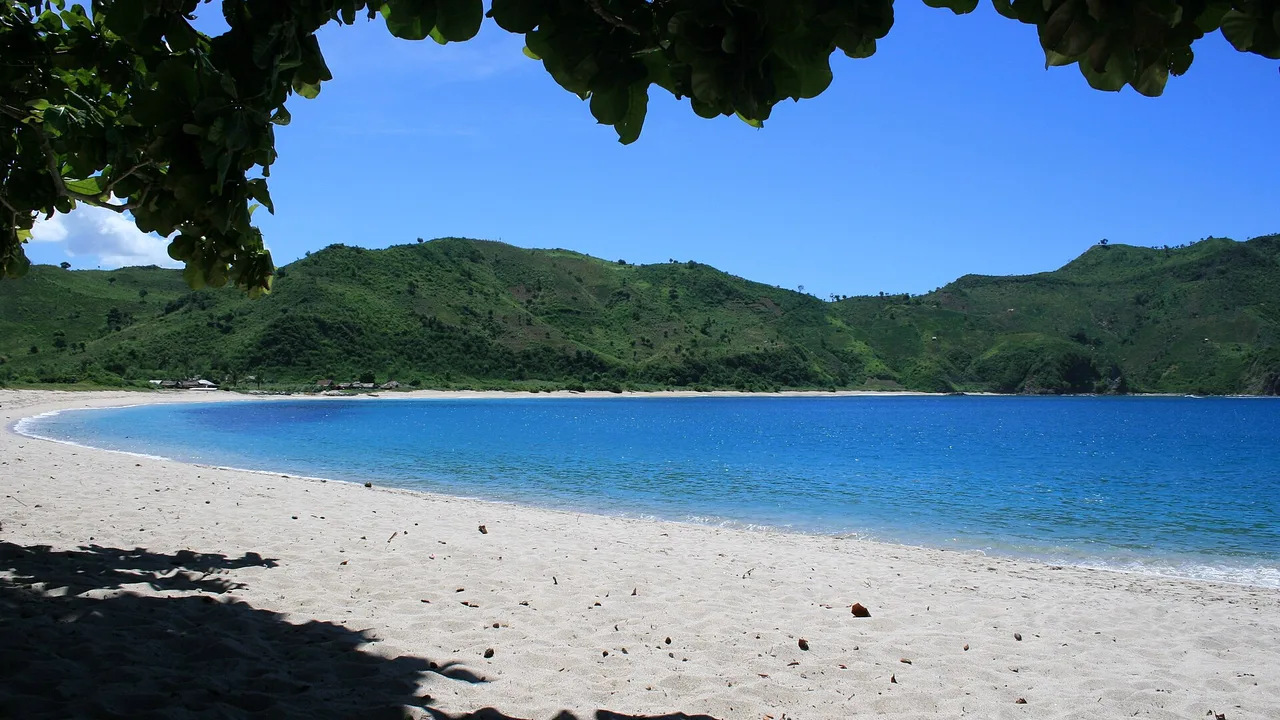
Picture hundreds of jungle-covered limestone islands scattered across a turquoise sea, villages on stilts above coral gardens and reefs so full of life that marine biologists have run out of superlatives. Raja Ampat, the “Four Kings”, lies off the north-western tip of New Guinea in the province of Southwest Papua. It sits at the heart of the Coral Triangle and is home to around three quarters of all known hard coral species and well over a thousand species of reef fish. For divers and snorkellers, it is a bucket-list destination. For everyone else, it is simply one of the most beautiful places on earth.
Raja Ampat is remote, and a trip needs more planning than a holiday in Bali. This guide covers how to get there, the permits and fees, where to stay, what to do and what it really costs.
Where Raja Ampat Is
The archipelago consists of four main islands, Waigeo, Batanta, Salawati and Misool, and more than 1,500 smaller islands, cays and shoals. The regency capital, Waisai, is on the south coast of Waigeo and is the arrival point for the public ferry from Sorong, the main city on the New Guinea mainland. Most homestays and resorts are spread across the islands of the Dampier Strait, such as Kri, Mansuar, Gam and Arborek, with more remote options in the far south around Misool.
How to Get to Raja Ampat
There are no direct international flights. Travellers fly to Domine Eduard Osok Airport in Sorong, usually via Jakarta or Makassar, with some connections from Bali via Makassar. From Sorong, the public fast ferry to Waisai takes about two hours. The afternoon sailing runs daily, with an additional morning sailing on some days and in high season. From Waisai, your homestay or resort picks you up by boat.
| Leg | Time | Typical cost |
|---|---|---|
| Flight Jakarta or Bali to Sorong (with connection) | 4–8 hours | USD 150–350 one way |
| Fast ferry Sorong to Waisai | About 2 hours | USD 9–17 per person |
| Boat transfer Waisai to Dampier Strait homestay | 30–90 minutes | USD 30–100 per boat |
| Private speedboat Sorong to Waisai | About 1.5 hours | USD 250–450 per boat |
Flights to Sorong often arrive in the morning, which works well with the afternoon ferry. If your flight arrives late, you will need a night in Sorong. Allow a buffer on the way back too, as flights in eastern Indonesia are sometimes delayed or rescheduled. Our Sorong Airport to Waisai Transfer handles the airport, harbour and ferry in one booking.
Permits and Fees
Raja Ampat charges two separate official fees, and both are often called the “entry fee”. The first is the marine park entry permit, an environmental service fee that funds patrols and reef protection. According to the marine park authority’s announcement, it rose to IDR 1,000,000 for international visitors on 3 August 2026 and is valid for twelve months from purchase. Children under 12 are exempt. The second is the regency’s visitor entry ticket, a separate tourism levy. Visitors are also asked to register online in advance.
Permits can be bought at the counter in Sorong harbour, at the authority’s office in Waisai or online through the official portal. Card machines can fail in remote areas, so carry enough rupiah in cash. Pay only at official counters, never through informal offers at the dock.
- Arrive smoothly with the Sorong to Waisai Ferry Transfer.
- Reach your island with the Waisai to Kri and Homestay Boat Transfer.
- See the iconic viewpoint on the Piaynemo and Pasir Timbul Day Tour.
Where to Stay: Homestays, Resorts and Liveaboards
Homestays
Locally owned homestays are the heart of tourism in Raja Ampat. Most consist of simple wooden bungalows on stilts over the water or on the beach, with shared or basic private bathrooms, mosquito nets and three meals a day of rice, fish and vegetables. Electricity may only run in the evening, and mobile signal is limited. Staying in a homestay supports the local Papuan communities directly and puts you right on the reef.
Resorts
A handful of dive resorts offer more comfort, with private bathrooms, good food, dive centres and organised boat trips. Prices are significantly higher, but packages usually include transfers and diving.
Liveaboards
For divers, a liveaboard is the best way to reach remote sites in the north and south, such as Wayag and Misool, on trips of usually seven to twelve nights. The main liveaboard season runs from around October to April.
The most accessible area, with famous dive sites like Cape Kri and Manta Sandy and many homestays.
A short climb to a viewpoint over a maze of karst islets and lagoons, the classic Raja Ampat panorama.
Spectacular karst landscapes and pristine reefs, reached on multi-day boat trips or liveaboards.
What to Do in Raja Ampat
Diving and snorkelling
The reefs are the main reason to come. Many homestays have excellent house reefs where you can snorkel straight from the jetty among schools of fish, turtles and blacktip reef sharks. Famous dive sites include Cape Kri, where record numbers of fish species have been counted on a single dive, Blue Magic and Manta Sandy, a cleaning station where reef mantas gather. Currents can be strong, so some sites suit experienced divers. Beginners can try the Discover Scuba Diving in Raja Ampat session, and snorkellers will love the Arborek and Manta Sandy Snorkelling Tour.
Birds of paradise
In the forests of Waigeo and Gam, Wilson’s and red birds of paradise perform their courtship dances at dawn. Local guides lead early-morning walks to display trees. Join the Sawinggrai and Gam Island Bird of Paradise Tour or book a dedicated Raja Ampat birdwatching guide.
Island hopping and kayaking
Day trips visit Piaynemo’s viewpoint, the sandbank of Pasir Timbul, which appears at low tide, and hidden lagoons. Kayaking between the islands is a quiet way to explore the coastline and mangroves.
Best Time to Visit
Raja Ampat can be visited all year, but the calmest seas are generally from around October to April. From roughly June to September, south-easterly winds make some crossings rough, especially in the south, although diving continues in sheltered areas. The water is warm year-round, typically around 27 to 30 °C.
What a Trip Costs
| Item | Typical cost |
|---|---|
| Homestay with three meals, per person per night | USD 35–70 |
| Dive resort package, per person per night | USD 150–400 |
| Fun dive, per dive | USD 40–70 |
| Private boat day trip (Piaynemo), per boat | USD 250–500 |
| Marine park permit plus visitor ticket, per adult | About IDR 1,300,000 (USD 75–85) |
Boat fuel is expensive in the remote islands, so excursions are the biggest variable cost. Sharing boats with other guests from your homestay keeps costs down.
Practical Tips
- Bring enough cash; ATMs are only in Sorong and Waisai and can run empty
- Pack reef-safe sunscreen, a rash guard and your own snorkel mask
- Bring a headlamp, power bank and dry bag
- Expect limited internet; download maps and entertainment in advance
- Respect local customs; communities are mostly Christian and conservative
- Take malaria advice from a travel clinic before you go
Responsible Travel in Raja Ampat
Raja Ampat’s reefs are healthy largely because local communities, conservation groups and the government have worked together to protect them, with no-take zones, patrols and bans on destructive fishing. Visitors play a part too. Never stand on or touch coral, keep your fins away from the reef, and do not chase turtles or mantas. Avoid single-use plastic where you can, as waste management on small islands is limited, and take batteries and other hazardous rubbish back to Sorong.
In villages, dress modestly away from the beach, ask permission before photographing people and respect Sunday as a day of rest and church services in Christian communities. Some villages charge a small local fee for visiting their beaches or viewpoints, which goes directly to the community. Buying handicrafts, such as woven pandanus bags or carved souvenirs, is another way to support local families.
How Long to Stay
Because of the long journey, plan at least five nights in Raja Ampat itself, ideally a week or more. Many travellers combine Raja Ampat with Bali, flying via Makassar. Our Raja Ampat Island Tour and the Indonesia Dive & Snorkel Safari include all logistics.
Frequently Asked Questions
How do I get to Raja Ampat?
Fly to Sorong via Jakarta or Makassar, then take the fast ferry to Waisai, about two hours, and a boat to your homestay or resort.
How much is the Raja Ampat permit?
Since August 2026, the marine park permit costs IDR 1,000,000 for international visitors, valid for 12 months, plus a separate regency visitor ticket.
Is Raja Ampat good for non-divers?
Yes. Snorkelling is outstanding, often right from the homestay jetty, and island hopping and birdwatching are highlights too.
When is the best time to visit Raja Ampat?
October to April usually has the calmest seas, though diving is possible year-round in sheltered areas.
How many days do I need in Raja Ampat?
At least five nights, ideally seven or more, to make the long journey worthwhile.
Get Your Free Custom Indonesia Tour Quote Today!
Flights, ferries, boats and homestays in Raja Ampat, coordinated by our local team at fair prices.
Browse Multi-Day Tours Explore Short Excursions